Short answer
Drain relining, also called CIPP or cured-in-place pipe, makes a new jointless pipe inside the old one. It needs no digging in your garden or driveway. It is a sound fix for cracked, root-damaged or slightly displaced pipes. However, it does not suit every drain. A collapsed, crushed or badly misaligned pipe still needs excavation.
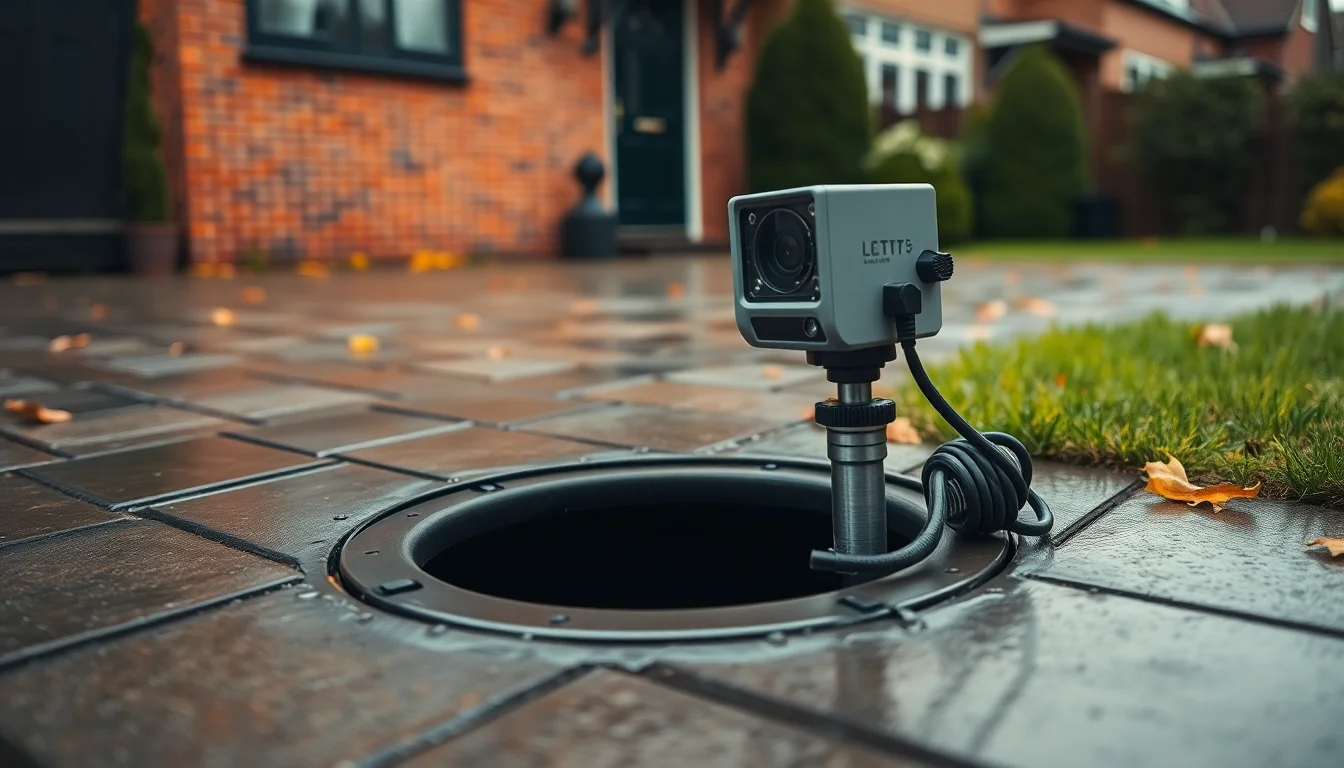
A CCTV survey shows which group your drain falls into. After that, you can request a quote online for the repair that fits.
How no-dig relining works
A flexible liner soaked in resin goes into the existing drain. Air then inflates it so it presses against the pipe wall. Heat or light cures the resin until it hardens into a smooth, seamless pipe.
Because the liner follows the old route, there is no trench along the run. There is no lifted patio and no new drive to lay afterwards. For a home with a drain under a paved yard or an established garden, that matters a great deal.
When relining is the right call
Our pipe relining service suits pipes that have damage but still hold their shape. Examples include hairline cracks, roots coming in at a joint and small joint movement. It can also help with surface wear inside older clay or pitch fibre pipe.
A CCTV drain survey shows the defects. If the pipe still holds a fairly round shape and the joints roughly line up, a liner can bridge the weak points. As a result, water and roots cannot get back in.
When excavation is still the only honest answer
Some defects rule out a liner. A fully collapsed section is one. A crushed pipe that will not let a liner sit against the wall is another. A large offset at a joint also rules it out. In these cases, the resin would only cover a gap, not repair it.
The same is true where old pitch fibre pipe has lost so much wall that nothing solid is left. Then our drain excavation service removes the failed section and replaces it properly.
A checklist before you decide
- **Survey first.** A CCTV drain survey shows whether you have cracks and roots, where we can often reline, or a collapse, which usually cannot.
- **Access.** Relining usually needs small access points at each end. Excavation opens the ground along the whole length of the damaged pipe.
- **Pipe size and material.** Most home drains take a liner. Unusually large or badly worn sections may need a different solution.
- **What sits above the drain.** A driveway, mature tree or extension above the pipe makes no-dig more attractive.
- **One defect or many.** A single cracked joint is different from a pipe that is failing along its whole length.
Is relining as good as replacement?
For the faults it is made for, yes. A well-fitted liner is a real structural repair and not a temporary patch. It carries normal flow like a new pipe.
However, it is not a universal substitute. If the old pipe has lost its shape or continuity, there is nothing for the liner to bond to. Relining would only delay a proper fix. In short, it matches replacement when the defect suits the method.
Can you reline any drain?
No. A collapsed section, a hole where the wall has failed or a badly offset joint all rule it out. Very shallow pipes near other buried services can also tip the decision. A CCTV survey answers this for your drain, which is better than a rule of thumb.
Getting the right repair
If you are not sure which side of the line your drain falls on, start with a survey. Our drain repairs hub covers both relining and excavation, so nobody steers you before the survey.
If roots or repeat blockages are the issue, see how drain jetting compares with drain rods. If the drain is shared, read who is responsible for drains in Coventry, because that changes who arranges the repair. Once you know the problem, request a quote online.
Frequently asked questions
Does relining stop tree roots getting back in?
Yes, in most cases. A smooth, jointless pipe removes the joints and cracks that roots use to get in. That is one reason people choose relining for root-damaged drains.
Is relining cheaper than digging up the drain?
It depends on the job. Relining usually avoids the cost of making good a drive, patio or lawn. However, the right comparison depends on pipe length, access and the survey findings. We would rather give an accurate answer after a survey.
How do I know whether I can reline my drain?
A CCTV drain survey is the only reliable way to tell. It shows whether the pipe still has a sound, roughly round shape. It also shows whether it has collapsed.
Can you reline a drain twice?
In principle yes, if the first liner and the old pipe can still support a second one. We would check this with a fresh survey first.
Local drain help
Need a hand with this? Our drain repairs team covers Coventry and surrounding areas. Send your details online, and we will plan the visit with you.
Because every area has its own drains, local detail matters. For example, see our pages on drainage work in Coventry and local drain engineers in Kenilworth.
If you already know the job, these pages go further. First, read about homebuyer drain survey in the Coventry area, then excavation and replacement in Coventry, then outside drain clearing in Coventry, then flood response in Coventry, and finally sewage backup in Warwickshire.
You may also find these guides useful, because they cover related problems.
- Blocked Soakaway: Can It Be Unblocked, or Does It Need Replacing?
- How Does a Soakaway Work? A Plain-English Guide
- Drainage Problems in Leamington Spa: Blocked Drains, Old Pipework and Soakaways
- How Long Does Drain Relining Last? Is It Permanent?
- Cracked, Collapsed or Leaking Drain in Coventry: Signs and Repair Options