TL;DR
A soakaway is an underground chamber — traditionally a rubble-filled pit, more often today a plastic crate or ring structure wrapped in geotextile membrane — that collects surface water from a roof or paved area and lets it disperse gradually into the surrounding soil, rather than sending it into the sewer. It works through simple percolation: water fills the chamber and gradually soaks out through its sides and base into the ground around it. In Coventry and Warwickshire, where the underlying Keuper Marl and Lias clay drains far more slowly than sandy soil, that percolation happens more slowly too, which is why soakaways here need to be sized and maintained with the local ground in mind. Considering one for your property, or trying to work out why yours isn't performing? Get a fast, fixed quote through our online form.
What a soakaway is, in plain terms
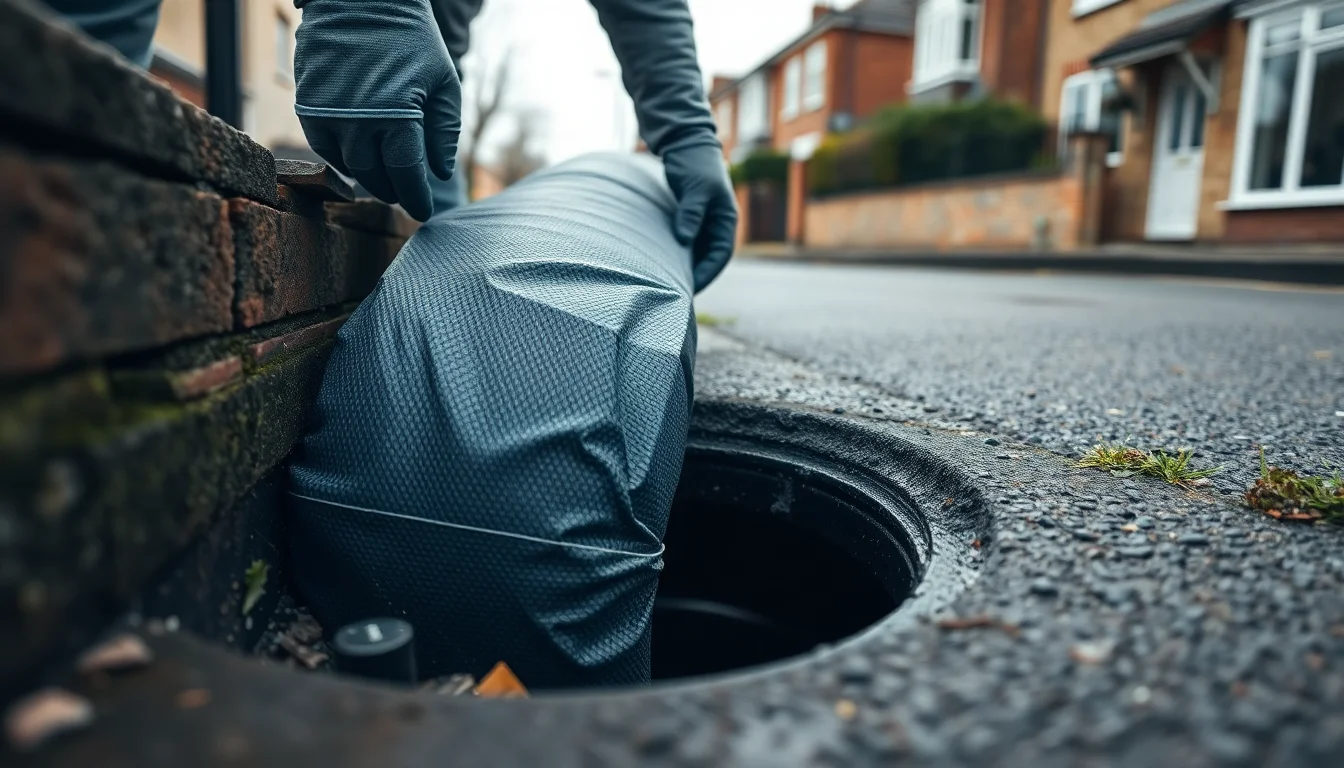
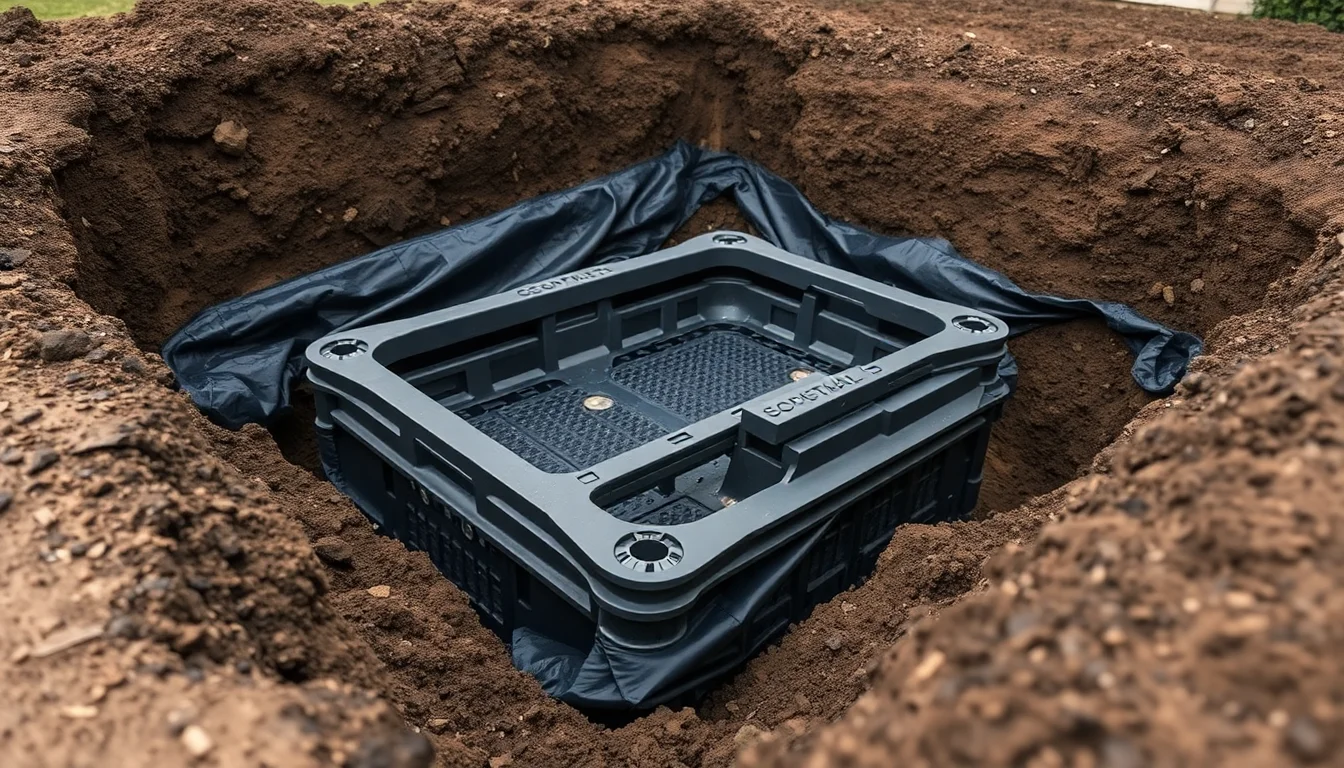
Strip away the jargon and a soakaway is simply a buried tank designed to hold rainwater temporarily and let it drain away into the earth instead of down the drain. Older installations are often a pit backfilled with coarse rubble or stone, relying on the gaps between the stones to hold water while it soaks away. Most modern installations instead use lightweight plastic crates or ring sections, wrapped in a geotextile membrane that lets water through while keeping fine soil particles out. A pipe from a downpipe, driveway drain, or patio gully feeds surface water into the chamber, and from there it seeps out through the sides and base into the surrounding ground.
Why percolation is the whole story
The single factor that determines whether a soakaway works well is how quickly the surrounding soil lets water pass through it — what's technically called the percolation rate. On sandy or gravelly ground, water disperses quickly and a modest soakaway can handle a heavy downpour without difficulty. On denser ground, the same volume of water takes far longer to soak away, so the chamber fills further before it empties and the surrounding soil stays saturated for longer. A soakaway isn't a pump or an active system — it only ever works as fast as the ground around it allows.
Why Coventry and Warwickshire's clay changes the picture
Much of Coventry and the surrounding Warwickshire towns — Kenilworth, Warwick, Leamington Spa, Nuneaton, Bedworth, Rugby — sit on Keuper Marl and Lias clay, a fine-grained, compact ground type with naturally low permeability compared with sandy or gravelly soil. Where a soakaway on sandy ground might clear a heavy rain shower within a couple of hours, the equivalent soakaway on Warwickshire clay can take considerably longer, and in a wet spell it may not fully empty before the next rainfall arrives. This isn't a design fault — it's simply what the local geology does — but it does mean soakaways here typically need more storage capacity and better inlet filtration than the same system would need elsewhere, and are more prone to gradually silting up as fine clay particles wash in with the surface water.
Roughly where a soakaway sits and why the distance from your house matters
A soakaway is normally positioned downstream of the drainpipe or gully it serves, buried deep enough to sit below typical ground frost and to give the water somewhere to disperse without immediately resurfacing. It also needs to sit a sensible distance clear of any building's foundations — close enough is a genuine problem, since water repeatedly pooling against footings over years can contribute to damp or ground movement near the structure. UK Building Regulations Part H sets out drainage guidance covering this kind of separation, and any competent installer checks it against the specific site before digging anything.
What actually affects how long a soakaway keeps working
A handful of factors determine how well a soakaway performs over the years rather than any single number: how permeable the surrounding ground genuinely is, how well surface water is filtered before it reaches the chamber (leaves and grit both contribute to silting), how large the chamber is relative to the roof or paved area feeding it, and whether the feed pipe and inlet are kept clear. None of these guarantee a specific lifespan on their own, but neglecting all of them is a reliable way to shorten one.
If yours isn't behaving as it should
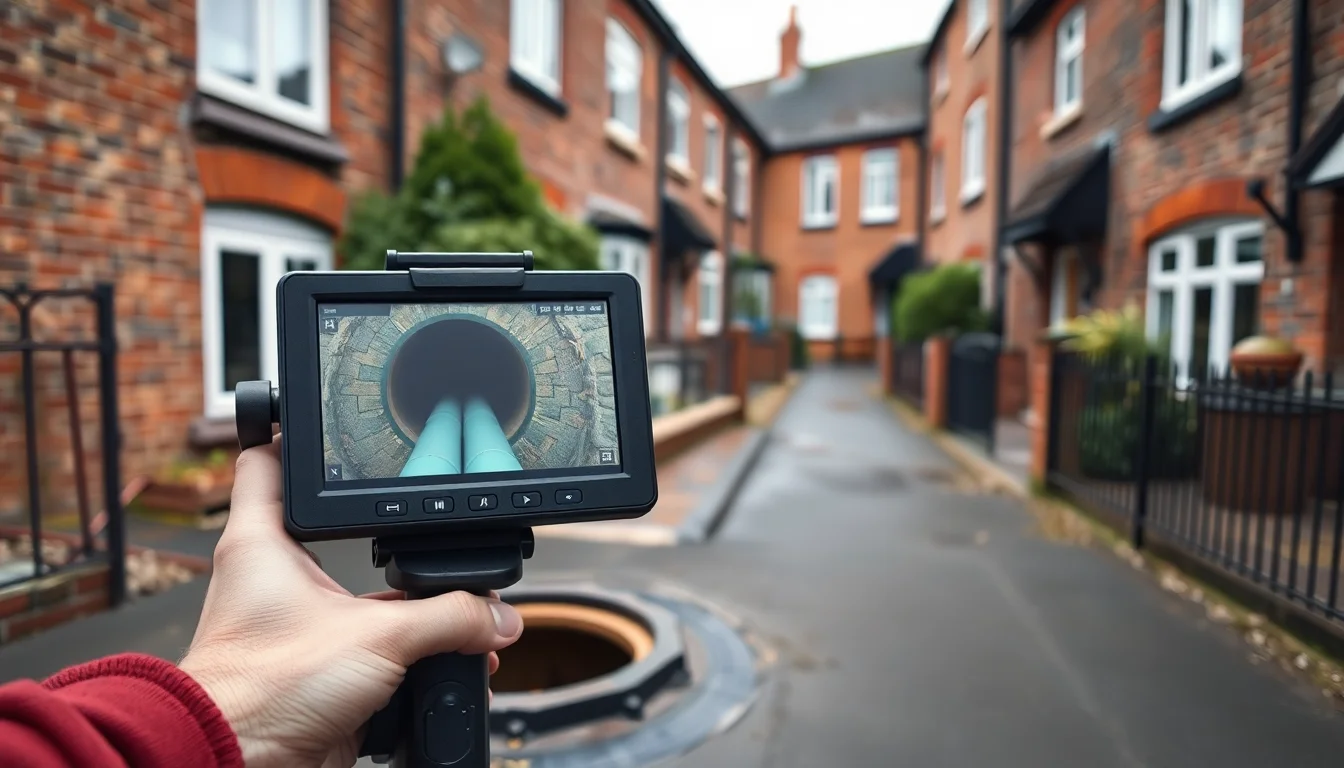
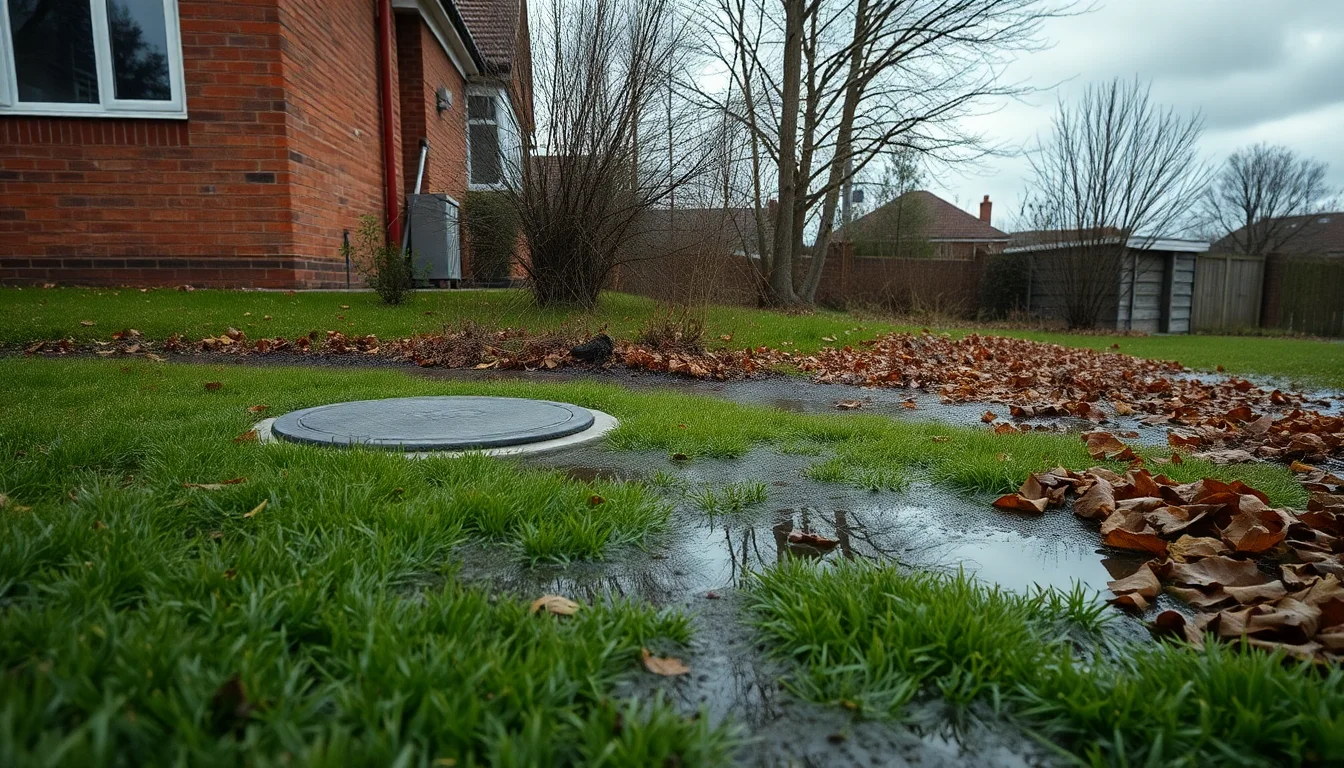
If your soakaway is showing signs of struggling — standing water that lingers for days, a downpipe that backs up in heavy rain — the practical next step, not a full replacement, is checking whether it can be unblocked first. Our companion guide on whether a blocked soakaway can be unblocked or needs replacing walks through exactly how that decision gets made, and our piece on why soakaways specifically fail on Warwickshire's clay soil goes deeper into the clay problem described above. For maintenance, a drain jetting visit clears silt and roots from the feed pipe before they become a bigger problem, and our soakaway service covers everything from percolation testing to full replacement where one is genuinely needed.
Frequently Asked Questions
**How does a soakaway drain work?** A soakaway collects surface water — usually from a roof or paved area — in an underground chamber, then lets it percolate gradually out through the sides and base into the surrounding soil, rather than sending it into the sewer network.
**How do soakaway crates work?** Modern soakaway crates are lightweight, high-void plastic modules stacked together underground and wrapped in a geotextile membrane; the membrane lets water pass through into the surrounding soil while keeping fine particles out, and the crate structure itself creates far more storage void than a traditional rubble-filled pit of the same size.
**What is a soakaway and how does it work, in the simplest terms?** It's an underground chamber that gives rainwater somewhere to go other than the sewer — water flows in, fills the void space, and gradually soaks away into the ground around it at a rate that depends entirely on how permeable the local soil is.
**How does a septic tank and soakaway work together?** In that setup, the septic tank treats wastewater first, and the soakaway — sometimes called a drainage field in this context — then disperses the treated effluent into the ground; it's a related but distinct application from a surface-water soakaway handling roof or driveway run-off, and is generally a matter for specialist wastewater treatment guidance.