TL;DR
Drain relining (CIPP) is designed and used across the industry as a long-term structural repair, generally discussed in terms of decades of service life rather than a short-term patch — but no honest guide should hand you a specific number of years or a guarantee length without seeing your actual pipe, because it genuinely depends on the condition it was installed into and how well it was prepared beforehand. Any exact lifespan or warranty figure should come from the liner manufacturer's technical data at quote stage, confirmed against your specific job — not assumed generically. Get a fast, fixed quote through our online form and we'll give you a straight answer for your property rather than a generic one.
Why "how long does it last" doesn't have one answer
Liner durability isn't a fixed property of the resin alone — it's the result of several things coming together on a specific pipe. The condition of the host pipe before lining matters a great deal: heavy scaling, existing cracking, or corrosion all affect how well the new liner bonds and how much support the old pipe still offers underneath it. How thoroughly the pipe was cleaned and prepared beforehand — typically high-pressure jetting to strip out roots, grease, and debris — has a direct bearing on whether the resin adheres properly along the whole run. The liner material itself varies in resistance to chemical attack and abrasion. And conditions outside the pipe play a part too, particularly ground movement in areas of Coventry and Warwickshire sitting on Keuper Marl and Lias clay, which shifts gradually with wet and dry cycles over the years.
Why a jointless liner is inherently more durable than what it replaces
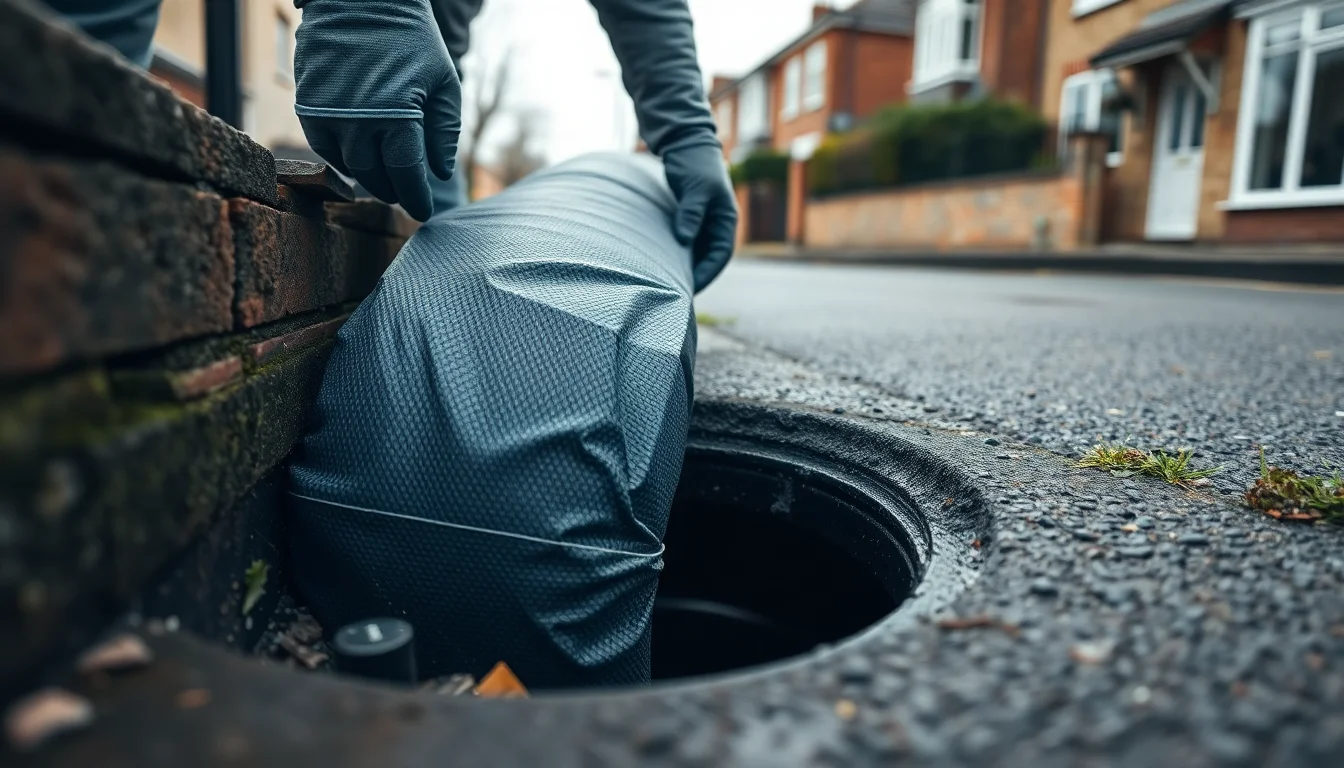
The reason pipe relining tends to last is structural, not just a marketing claim. Curing the resin in place creates a single, smooth, jointless pipe inside the original one, which removes the joints and surface defects that are the usual weak points in ageing clay or pitch-fibre drainage — root intrusion overwhelmingly happens at joints, not through solid pipe wall. By eliminating those entry points and sharing the structural load with the host pipe, a well-installed liner is inherently more resistant to the two things that finish off most old drains: root ingress and gradual joint displacement.
Preparation matters as much as the liner itself
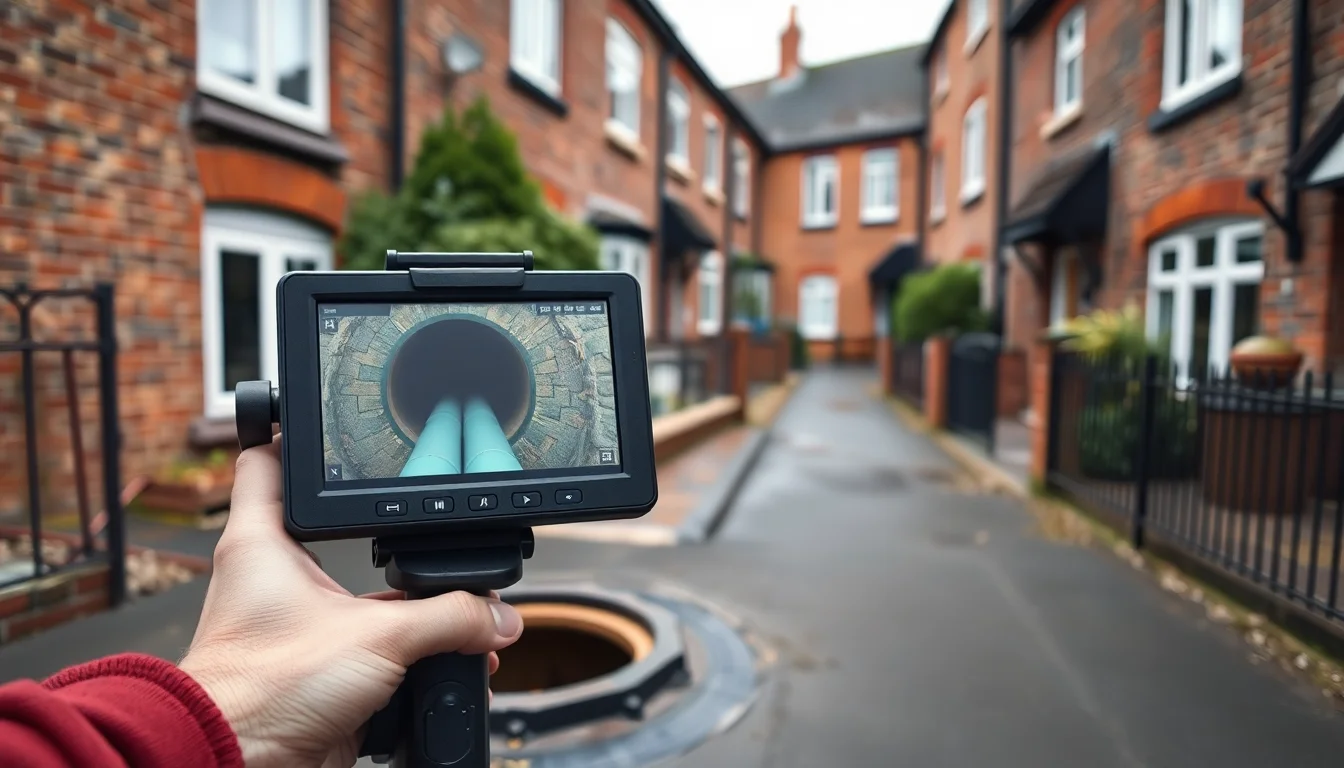
Even a high-quality liner underperforms if the host pipe isn't properly prepared beforehand. That preparation typically starts with a CCTV drain survey to identify obstructions and confirm the pipe is a genuine candidate for lining, followed by thorough high-pressure jetting to clear scale, grease, silt, and any root intrusion before the liner goes in. In Coventry and Warwickshire specifically, the clay-heavy ground means silt and fine sediment tend to accumulate more readily inside a pipe than they would in sandier areas, which makes this preparation stage genuinely important rather than a box-ticking exercise — rushing it is one of the more common causes of a liner underperforming later.
The local ground plays a role too
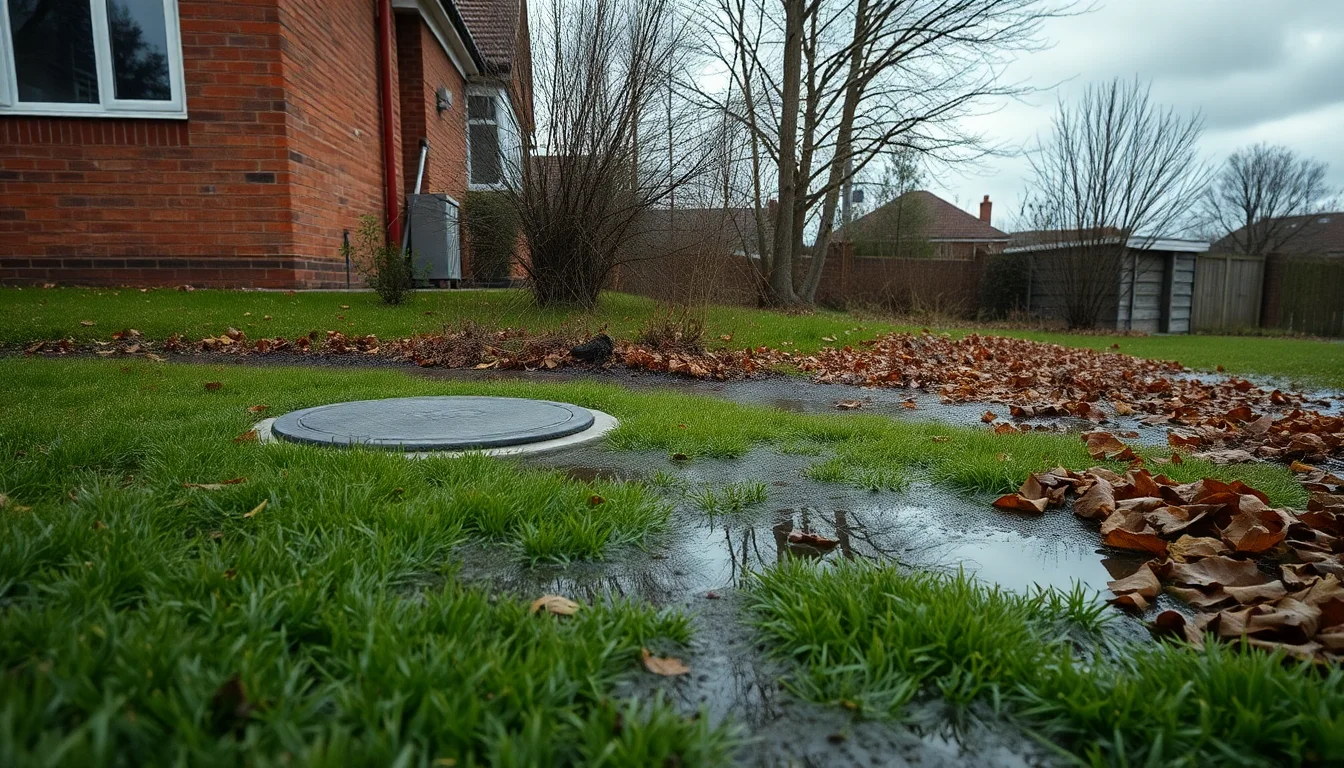
Much of Coventry and the surrounding towns — Nuneaton, Kenilworth, Rugby, Bedworth — sit on heavy Keuper Marl and Lias clay, ground that moves subtly with the seasons as it wets and dries. That slow movement exerts gentle, sustained pressure on anything buried within it, including a relined drain. It's part of why a flexible, well-bonded liner tends to perform better on this ground than a rigid, poorly-supported repair would, and why root ingress specifically at the unlined ends of a repair — where the original pipe is still exposed just beyond the liner — is worth checking for at any future inspection.
If you haven't decided whether relining is even right for your drain yet
This piece is deliberately narrow — it's about how long a lining lasts once it's in, not whether relining is the correct repair for your specific drain in the first place. That's a separate question that depends on the pipe's actual condition, and our guide to drain relining versus drain replacement walks through exactly how that decision gets made, including when excavation is still the only honest answer. A CCTV survey is what actually settles it either way.
Getting a straight answer for your property
Because so much of a liner's performance depends on the specific pipe it's going into, the only genuinely useful answer comes from a site-specific assessment rather than a generic figure. We'll check the pipe's condition, factor in the local ground, and talk you through the preparation involved before quoting. Get a fast, fixed quote through our online form and we'll give you a realistic picture for your Coventry or Warwickshire property, not a number pulled from a national average.
Frequently Asked Questions
**Is drain relining a permanent fix?** It's designed and used industry-wide as a long-term structural repair rather than a temporary one — but "permanent" isn't a term we'd use without qualification, since any liner's actual service life depends on the condition it was installed into. Treat any specific lifespan claim, including ours, as something to confirm at quote stage against your particular pipe.
**How long does drain relining typically last compared to the pipe it replaces?** A well-installed liner is generally expected to outperform the ageing, jointed pipe it's lining, because it removes the joints and surface defects that caused the original problems — but a precise figure depends on the liner product used and the condition of the host pipe, which is why we don't quote a generic number here.
**Does drain relining need any maintenance once it's installed?** Routine drain care — avoiding pouring fat or grease down sinks, keeping an eye out for slow drainage — applies the same as it would to any pipe. Beyond that, a relined drain doesn't generally need special ongoing maintenance, though a future CCTV check can confirm it's still performing as expected.
**Can drain relining fail, and what would cause that?** Yes, though it's uncommon with a properly prepared and installed liner. The most common causes are inadequate preparation of the host pipe beforehand, root intrusion re-establishing itself at the unlined ends of the repair, or significant ground movement beyond what the liner and host pipe were able to accommodate together.