TL;DR To unblock an outside drain, first locate your gully or inspection chamber to identify the blockage. Use heavy-duty waterproof gloves and a plunger or drain rods to clear visible debris. If water is backing up within a chamber, the obstruction is likely further down the run, which usually requires professional equipment to resolve safely.
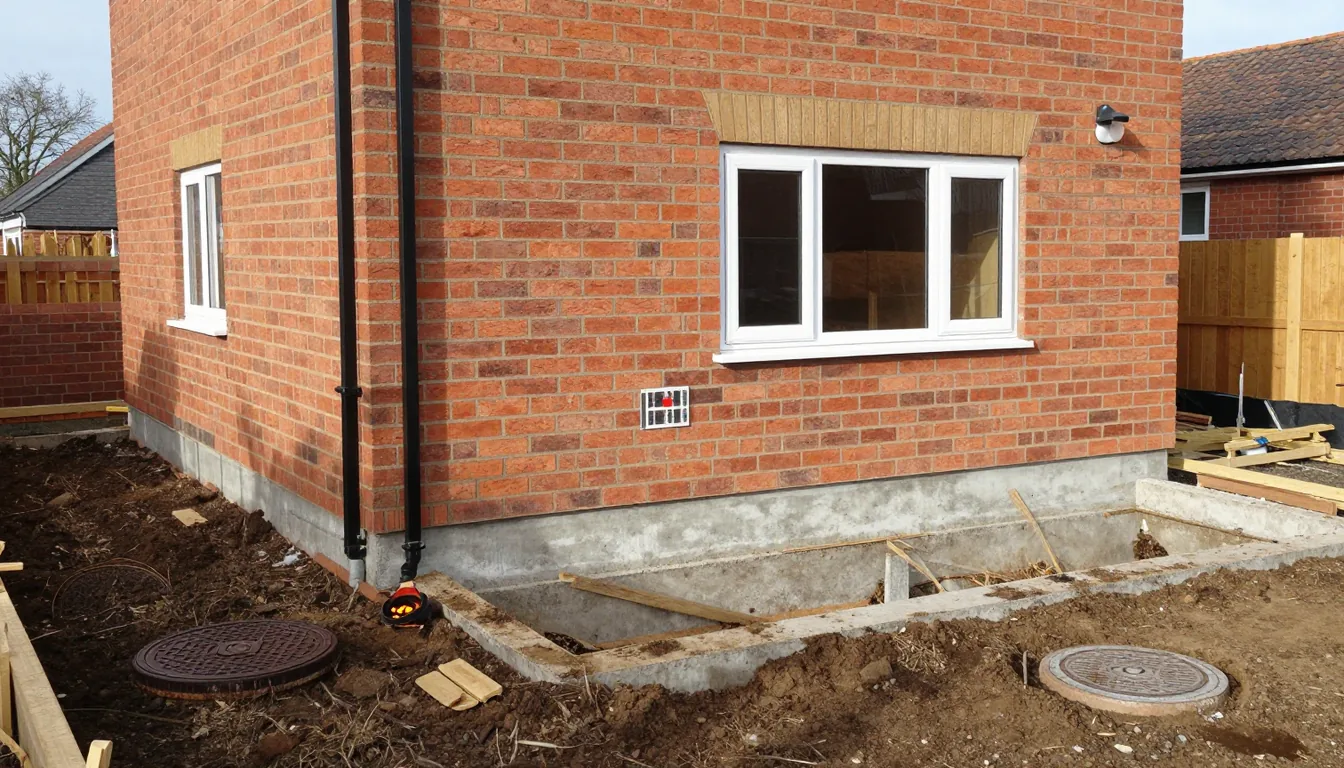
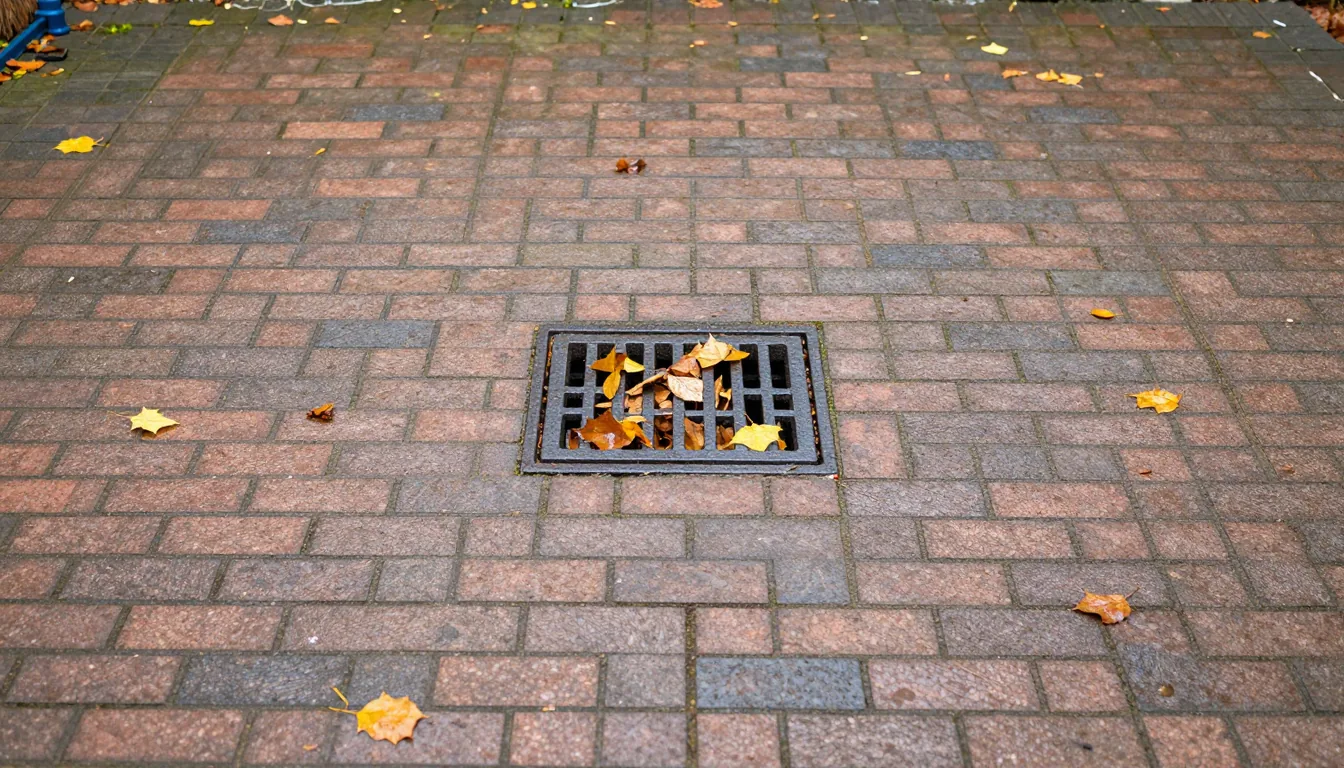
Locating the source of the blockage Finding the exact location of the problem is the first step in any drainage DIY task. Most UK properties have external gullies near the house or inspection chambers located in the garden or driveway. These are often covered by heavy metal or plastic grates that sit flush with the ground.
You should carefully lift these covers to see what is happening inside. If the gully is filled with standing water or debris, the blockage is likely right at the surface. If the chamber appears clear but water is still not flowing, the issue is likely deeper in the pipework. In many parts of Coventry and Warwickshire, the clay-heavy soil can cause ground movement that shifts these pipes over time.
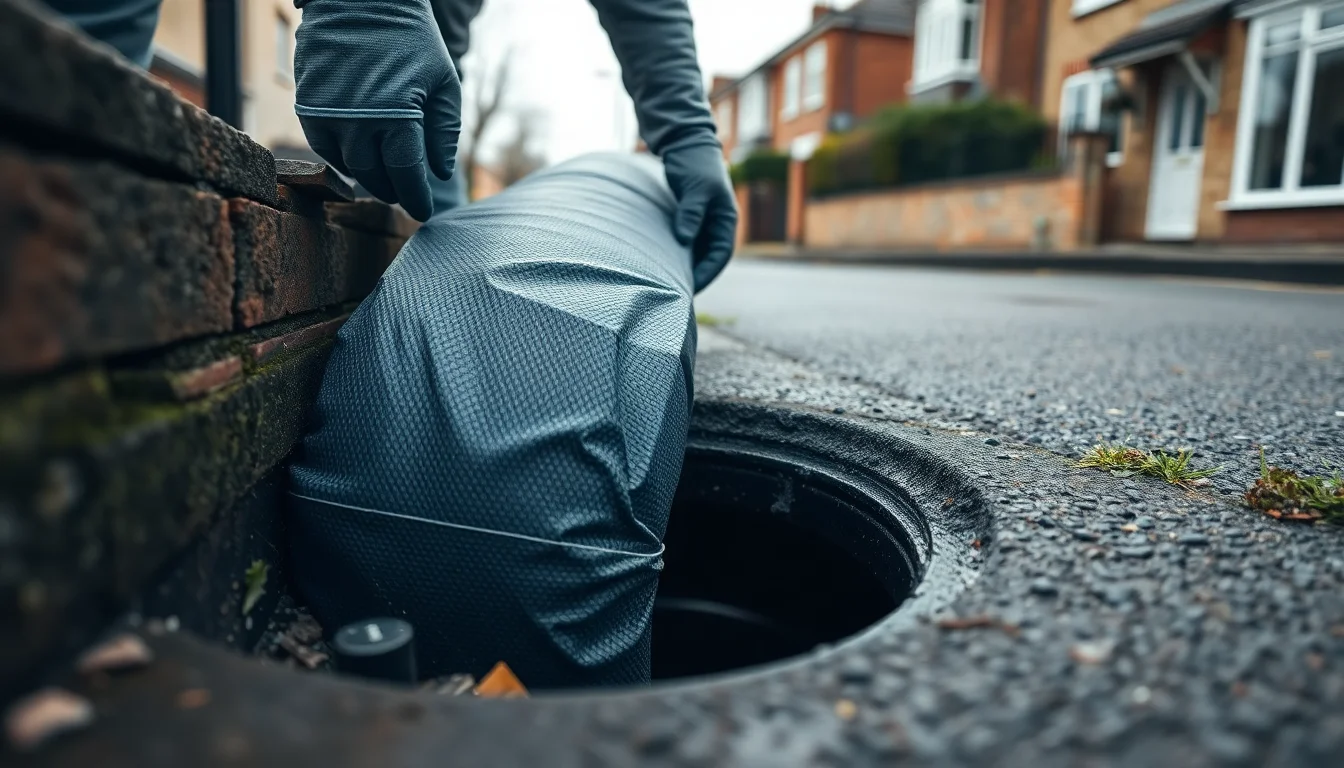
Always wear heavy-duty waterproof gloves when handling these covers or inspecting the contents. Drainage systems carry significant amounts of bacteria and organic waste that can cause illness. If you encounter a deep chamber, do not attempt to climb into it or lean too far over the opening.
Safe methods for clearing debris Once you have identified the blockage, you can attempt to clear it using manual tools. If the obstruction consists of leaves, soil, or small twigs, a manual plunger can often create enough pressure to move the debris. Ensure you are wearing protective eyewear and gloves to prevent splashes during this process.
If a plunger fails, drain rods are the next logical step. These are long, sectional rods that you screw together to reach deeper into the pipe. 1. Insert the first rod into the drain opening. 2. Apply steady, rhythmic pressure to push the blockage through. 3. Add more rods as you reach the obstruction. 4. Turn the rods clockwise only, because many screw-together rods can come apart in the pipe if turned the other way.
Be careful not to force the rods too aggressively, as this can occasionally damage older, brittle pipes. If the rods meet a hard resistance that does not budge with steady pressure, stop immediately. Forcing the rods could lead to a break in the pipework, which is a much larger problem to fix.
Understanding water backup and depth A key indicator of the severity of a blockage is where the water is pooling. If the water is sitting in the shallow gully near your house, it is often a simple matter of clearing surface debris. However, if you see water rising up through an inspection chamber located further into your garden, the problem is deeper in the system.
When water backs up in a chamber, it usually means the blockage is further down the run, beyond that chamber. This usually requires more advanced machinery than a homeowner can typically access. In many areas across Warwickshire, these deep blockages can be caused by roots or heavy silt buildup.
If you find that the water level remains high despite your efforts with rods, you have likely reached the limit of what a homeowner can safely do. At this stage, it is best to stop to avoid causing further damage to the pipework. Professional drainage services have specialist equipment to clear deep-seated obstructions.
Knowing when to call a professional There is a clear line between a simple DIY task and a job that requires specialist equipment. If the blockage does not respond to a plunger or rods, or if the water continues to rise despite your efforts, you should seek professional help. Attempting to clear a deep-seated blockage without the right tools can lead to broken pipes or more serious structural issues.
It is also vital to distinguish between your private pipes and the public sewer. If the blockage appears to be in a manhole located in the street, this is likely the responsibility of the water company. You can find out who is responsible for drains in Coventry and Warwickshire to help determine your next steps.
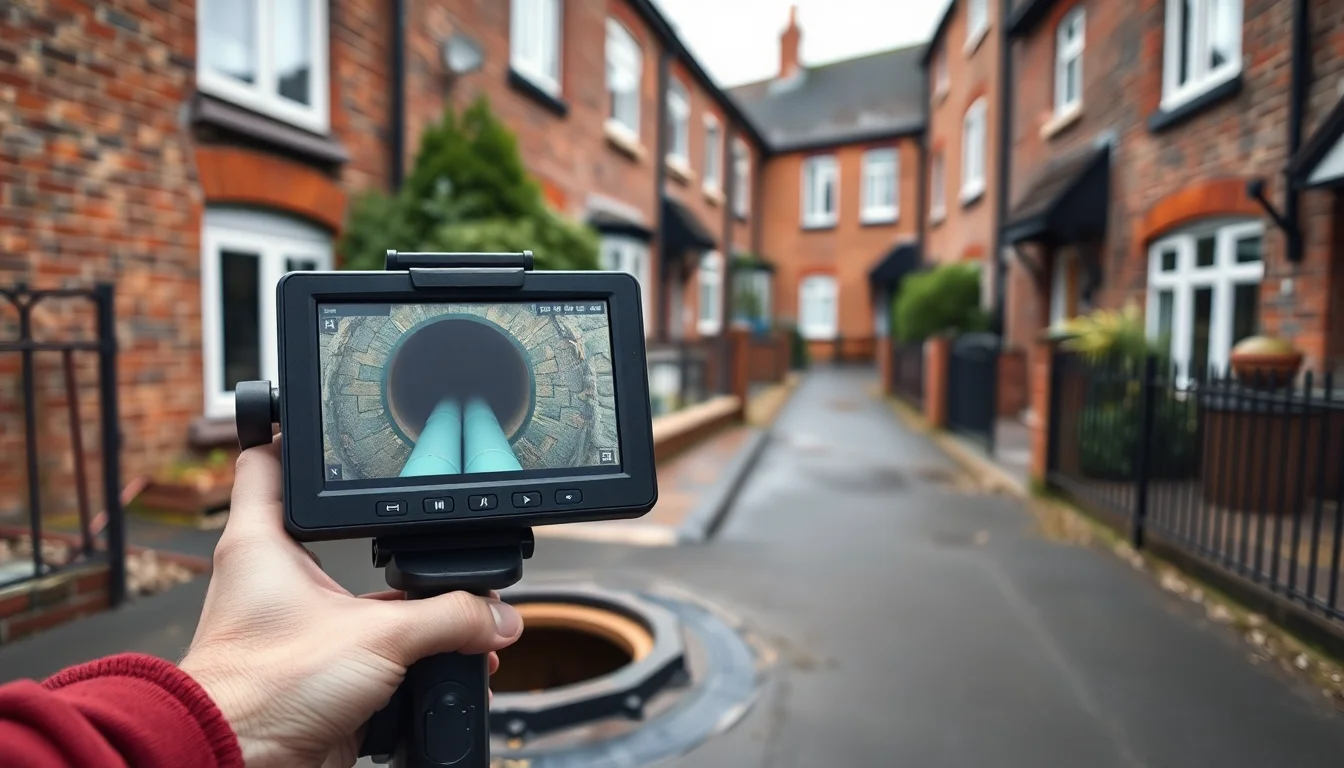
If the issue is within your property boundaries, a professional can use CCTV surveys to locate the exact cause. This prevents unnecessary digging and ensures the job is done correctly. If you need assistance, you can get a fast, fixed quote through our online form to discuss your specific situation. Our team provides expert external drain unblocking for residential properties throughout the region.
Frequently Asked Questions
**How do I unblock a drain filled with soil, leaves or mud?** You should start by using a sturdy tool like a small spade or a hand rake to remove loose debris from the surface of the gully. If the blockage is deeper, use a plunger or drain rods to move the material through the pipe. Always wear protective gloves to avoid contact with potentially contaminated water or soil.
**How do I unblock a drain without a plunger or rods?** If you do not have standard tools, you might attempt to use a garden hose to create pressure. By placing the hose end into the drain and blocking the gap around it, you can try to wash the debris through the pipe. However, this is often less effective than using professional-grade tools or rods.
**Why is my drain blocked outside?** External drains often become blocked due to the accumulation of organic matter like fallen leaves, soil, or small stones. In some cases, tree roots may have grown into the pipes, or the ground may have shifted, causing the pipes to misalign. In clay-heavy areas, seasonal ground movement can also put stress on pipework.