TL;DR
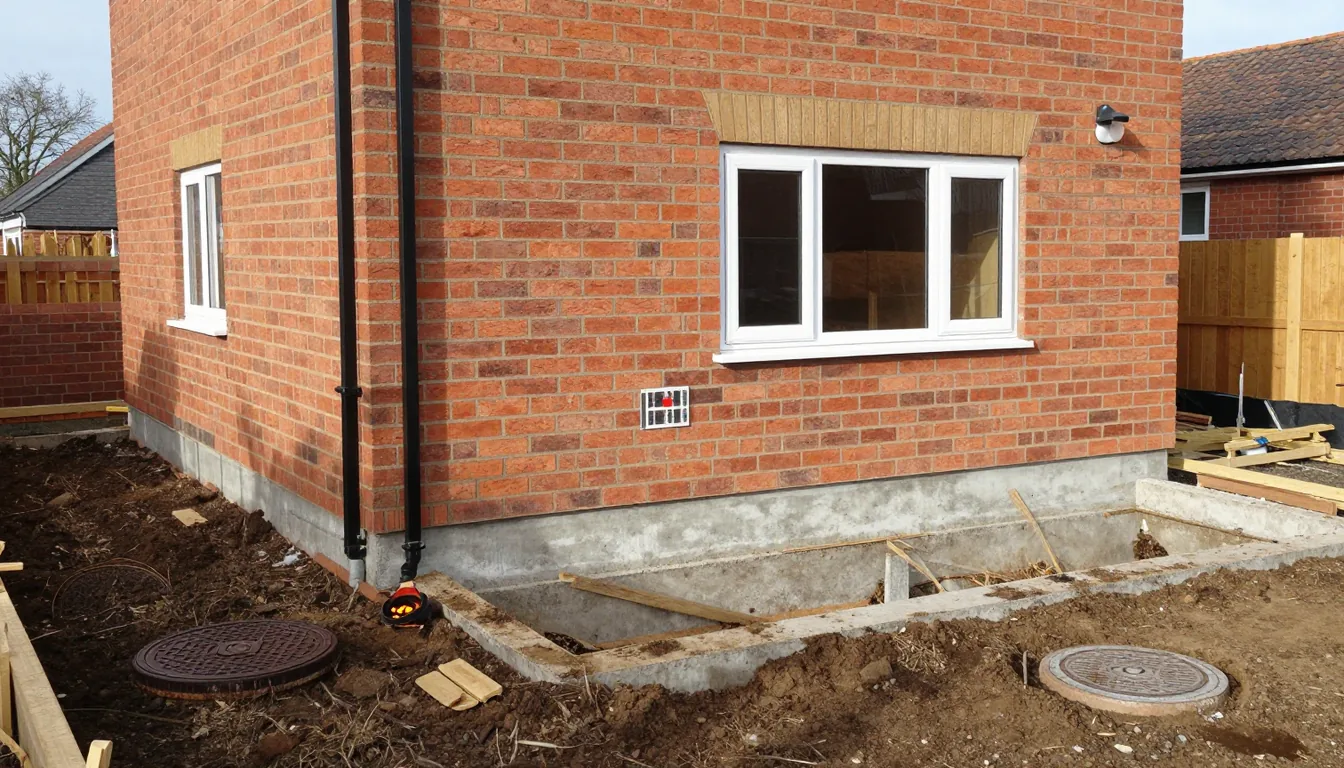
If you plan to build an extension that covers or sits near a public sewer or lateral drain, you will likely need a build over agreement. This permission is required from your water company to ensure your construction does not interfere with essential local infrastructure. In Coventry and Warwickshire, you must contact Severn Trent Water to confirm your specific requirements.
Understanding the build over agreement
A build over agreement is a formal permission granted by the sewerage company that owns the pipes running under or near your land. This process is separate from the standard permissions you might seek from a local council. While you may have already secured planning permission, this does not mean you have the right to build over public assets.
The sewerage company needs to ensure that any new structure does not prevent them from accessing, maintaining, or repairing the drains. If a pipe becomes blocked or breaks, the water company must be able to reach it without your extension causing a structural failure or an obstruction. Severn Trent says it has to ensure that building work does not damage its pipes, create a flooding risk or affect future access for maintenance.
In many parts of Coventry and Warwickshire, the ground consists predominantly of clay soils. Clay can shift depending on moisture levels, which means any weight placed near a drain must be carefully managed to prevent movement that could crack the pipes. The sewerage company will assess the location and type of the drain before deciding whether to grant permission.
Planning permission versus building regulations
It is common for homeowners to confuse different types of approvals. Planning permission deals with the external appearance and the use of the land, ensuring your extension fits within local development rules. Building Regulations set minimum standards for the construction itself, including Part H4 on building over sewers, but building control approval is not a substitute for the water company's consent.
A build over agreement is a third, distinct requirement. It focuses specifically on the protection of the public sewerage network. You might find that your plans satisfy the local council and pass building control inspections, yet still fail to meet the requirements of the water company.
The distinction is vital because failing to obtain a build over agreement can lead to significant legal and structural complications. Severn Trent states that building close to or over a public sewer without formal approval is illegal and may make the property very difficult to sell later. Severn Trent says it cannot grant approval retrospectively, so the agreement needs to be in place before building work starts.
Why CCTV surveys are necessary
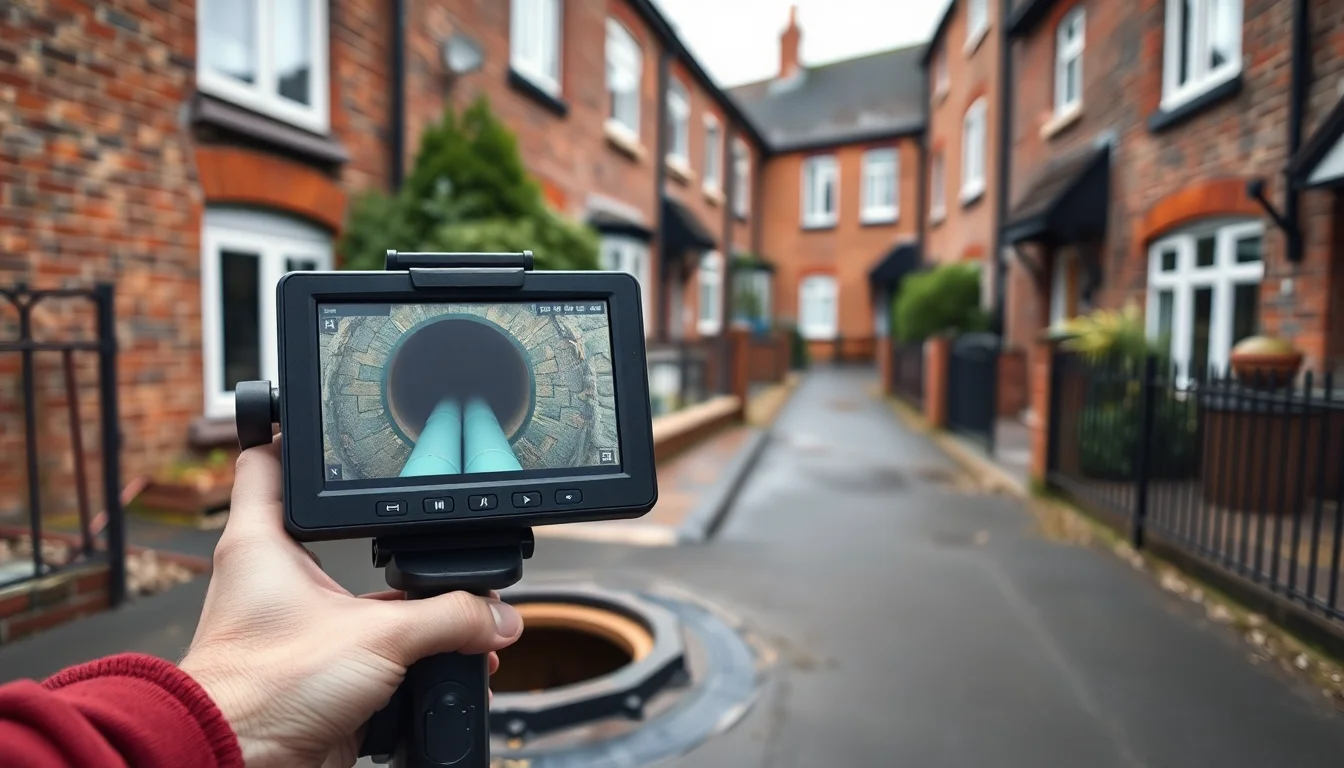
To make an informed decision, the water company often requires evidence regarding the current state of the drainage system. This is where a CCTV drainage survey becomes a standard part of the process. By using a camera to inspect the interior of the pipes, a specialist can identify any existing cracks, leaks, or obstructions.
There are two main stages where these surveys are commonly used:
- Before construction: This establishes a baseline of the pipe's condition. It ensures you are not building over a drain that is already failing or in need of repair.
- After construction: This confirms that the building work has not caused any structural damage to the pipes or shifted the alignment of the drain.
Using a camera allows for a non-invasive inspection that provides clear visual evidence. This evidence helps the sewerage company assess the risk level of your proposed extension. Without this data, it is much harder for them to guarantee that your construction will not interfere with the local network.
Managing your local infrastructure
In the Coventry and Warwickshire area, Severn Trent Water is the authority responsible for the sewerage network. They manage the pipes that carry wastewater away from your property and through the local streets. Because these networks are interconnected, a single poorly placed extension could potentially affect multiple properties in your neighbourhood.
Rules regarding what can be built over vary depending on the type of pipe and the location of the drain. Some smaller pipes might be private, while others are public assets. Determining which is which is a critical step in your project planning.
If you are unsure about the responsibility for a specific pipe, you can find out who is responsible for drains in Coventry and Severn Trent to help clarify your position. If you need a professional to check the condition of your pipes before you begin, you can arrange a drainage investigation using CCTV to ensure everything is in good order.
If you have specific questions about your project or need professional assistance, you can get a fast, fixed quote through our online form to discuss your drainage needs.
Frequently Asked Questions
**Do I need a build over agreement for an extension?** Yes, if your extension will sit over or very close to a public sewer or a lateral drain. Even if you have planning permission, you must obtain a separate agreement from your water company. This ensures that the sewerage network remains accessible for maintenance and that your new structure does not cause damage to the pipes.
**Who is responsible for drains and sewers on my property?** Responsibility depends on the type of drain. Generally, you are responsible for the private drains that serve only your property. However, Severn Trent Water is responsible for public sewers, which carry wastewater from more than one property, and for lateral drains, which are the part of a single property's drain that lies outside its boundary. It is worth checking with your water company to confirm which pipes are public assets before you start any building work.
**What does a drain survey involve?** A drain survey typically involves using a high-resolution camera on a flexible cable to inspect the inside of your pipes. This process allows a specialist to view the condition of the joints, the walls of the pipe, and the overall alignment. It is a highly effective way to detect blockages, cracks, or root ingress without any digging.