TL;DR
If a patch of your garden stays waterlogged for days after the rain stops, water pools near the soakaway's inspection cover, or a downpipe backs up in heavy weather, don't assume the soakaway chamber itself has failed. A large share of these cases turn out to be a blocked or root-choked feed pipe, with the soakaway underground still perfectly sound — jetting and checking that pipe first is the right order of operations. Get a fast, fixed quote through our online form and we'll find out which one you're actually dealing with.
The symptoms Coventry and Warwickshire homeowners actually notice
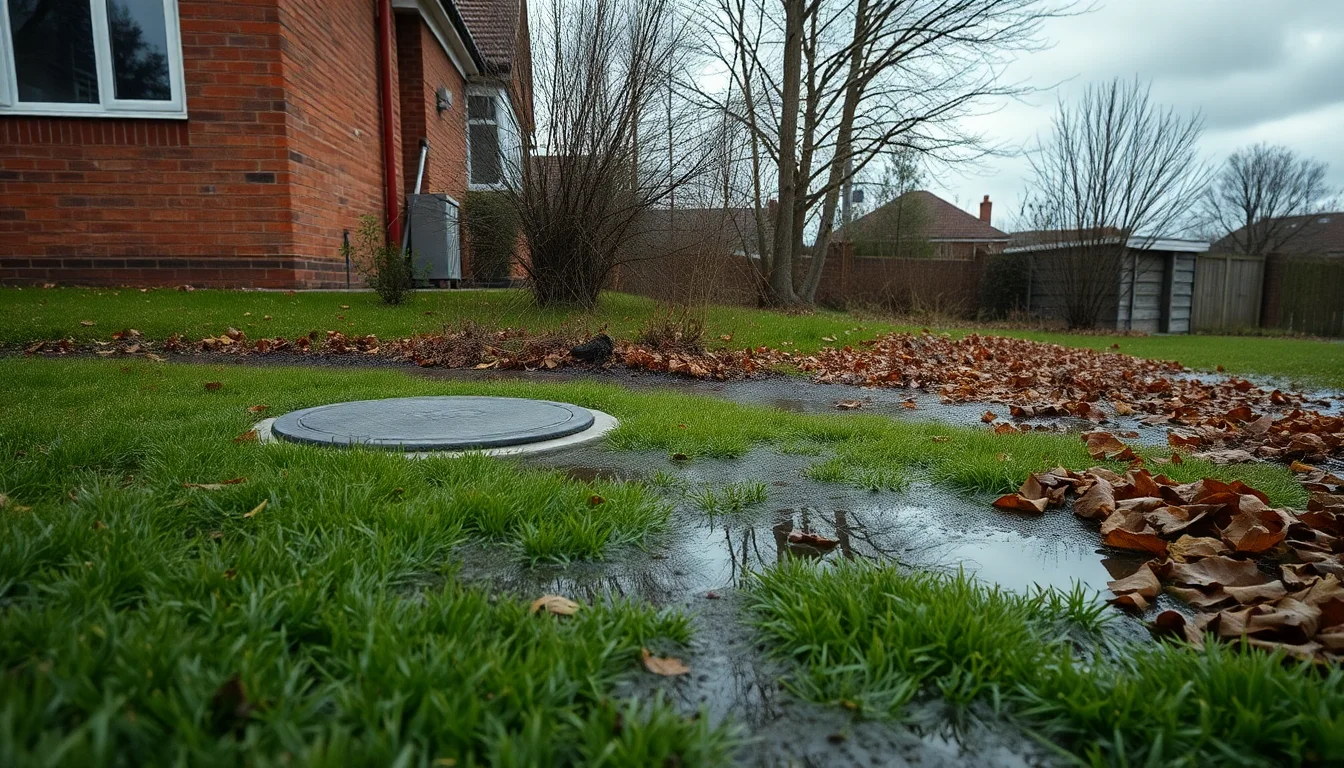
The tell-tale sign is a patch of lawn or border — often directly above or just downstream of the soakaway — that stays visibly soggy for several days after everywhere else has dried out. Some households also notice standing water gathering around the inspection chamber cover itself, or a downpipe and gully starting to overflow during a heavy spell of rain because the water simply has nowhere left to go. Across Coventry, Nuneaton, and Leamington Spa, these symptoms tend to show up faster and more obviously than they would on lighter, free-draining soil, because the heavy Keuper Marl and Lias clay under most of the area is already slow to absorb water even when everything is working properly.
Check the feed pipe before you condemn the soakaway
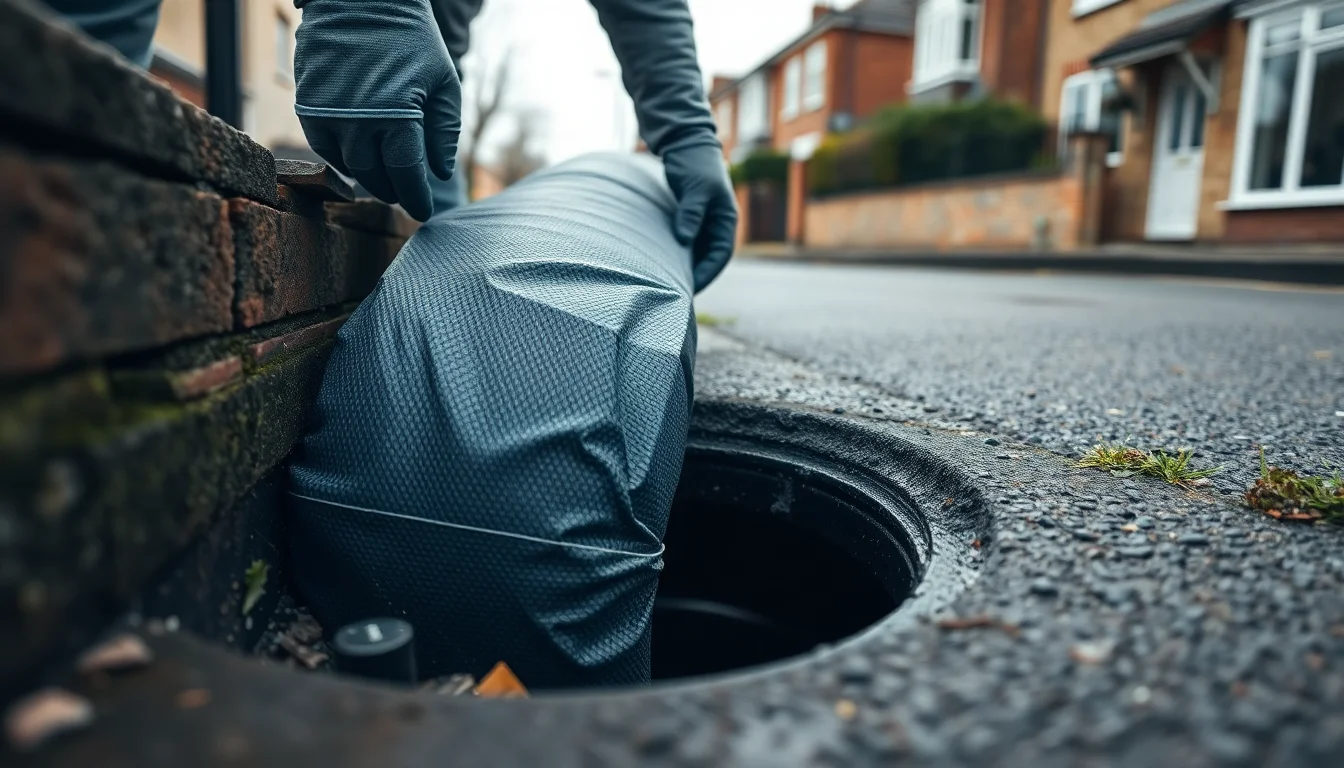
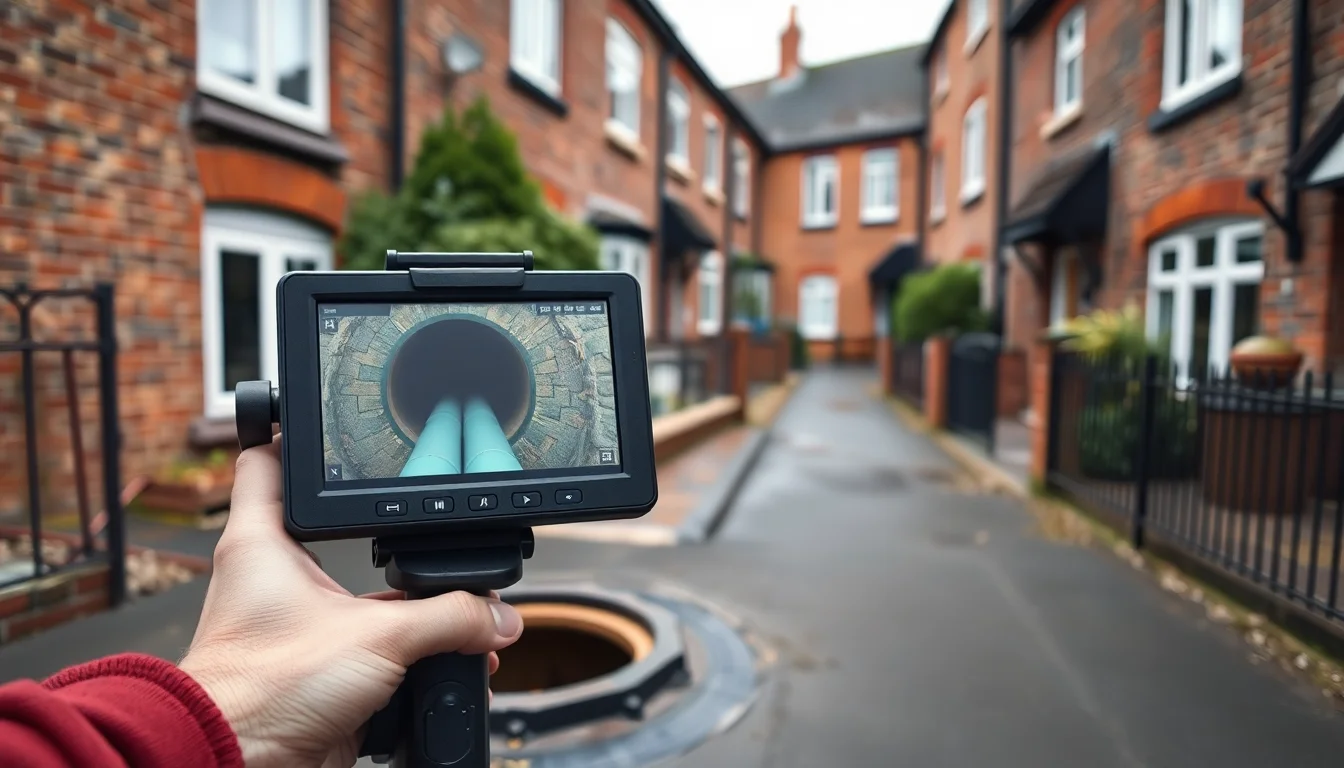
The pipe carrying rainwater from a roof, driveway, or patio to the soakaway chamber is the first place a blockage usually forms — not the chamber itself. Roots from a nearby tree or hedge work into a joint over time, silt washed off a paved area settles in a low point or bend, and general debris builds up gradually until the pipe can no longer keep up with a heavy downpour. When that happens, water backs up and produces exactly the same symptoms as a genuinely failed soakaway, even though the chamber underneath has plenty of capacity left — it's just never receiving the water. A CCTV drain survey on the feed pipe settles this quickly, and in a lot of cases a straightforward drain jetting visit to clear roots, silt, and debris from that pipe restores normal drainage without anyone needing to dig up the soakaway itself.
When it genuinely is the soakaway chamber
Sometimes the survey shows the feed pipe is clear and the problem really is underground. Older Coventry and Warwickshire properties often still have a traditional rubble-filled soakaway pit, and after decades of use in heavy clay ground, the voids between the stones can silt up so completely that the chamber has little capacity left, or the pit can partially collapse. The signs pointing this way are persistent waterlogging that doesn't improve even after the feed pipe has been jetted and checked, visible settlement or cracking around the inspection cover itself, or a CCTV survey showing the chamber itself packed with sediment rather than just the approach pipe.
Repair or replace — how the decision actually gets made
This is a two-step process, not a guess. First, jet and CCTV-check the feed pipe — if that clears it and the chamber holds water normally afterwards, you're done, no excavation needed. Second, if the chamber itself is confirmed as the problem, a genuinely failed soakaway — particularly an old rubble pit that's silted solid or partially collapsed — usually can't be economically restored and needs excavating and replacing rather than patched. Trying to skip straight to "replace it" without checking the feed pipe first is the single most common way homeowners end up paying for work they didn't need.
What a modern replacement actually involves
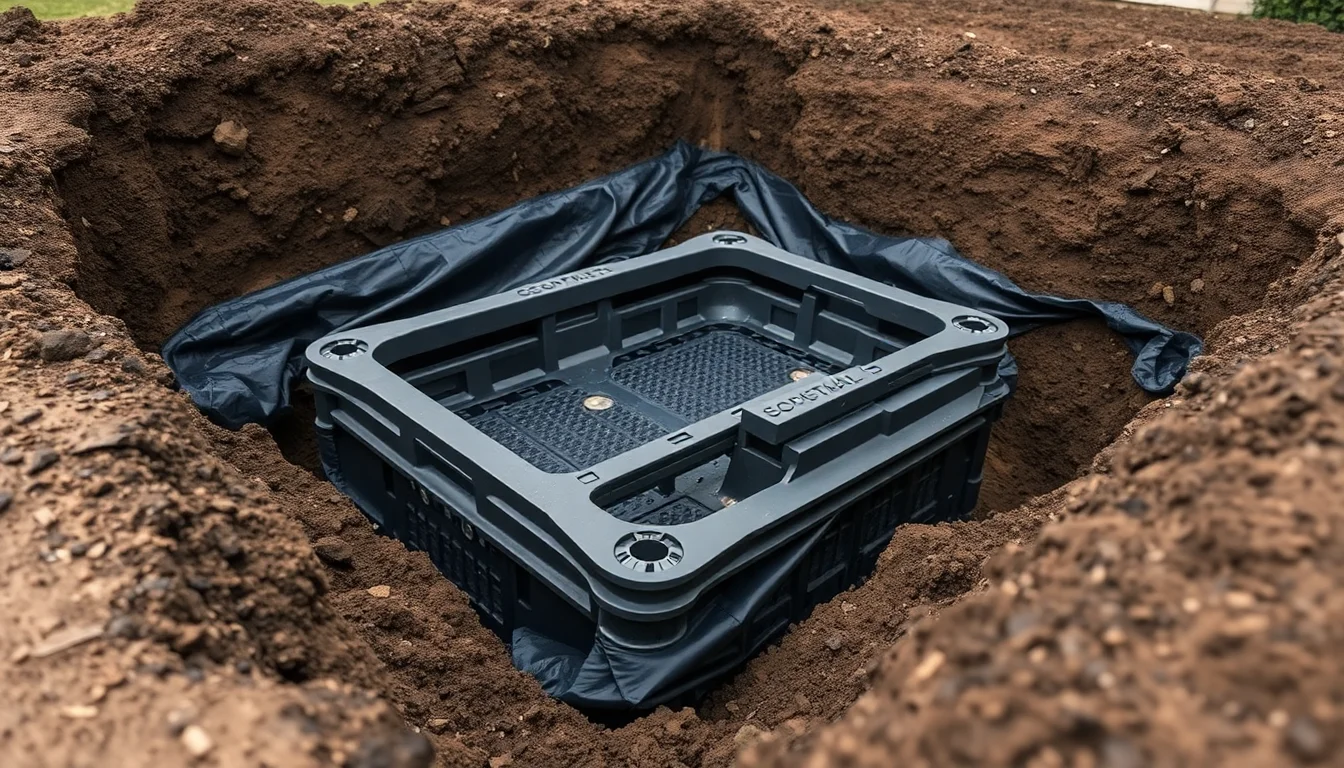
Where a soakaway genuinely does need replacing, current practice moves away from a simple rubble pit towards a modular crate or ring system, wrapped in a geotextile membrane and sized to current Sustainable Drainage Systems (SuDS) guidance for the property and its ground conditions. These systems give considerably more usable void space for a similar excavation footprint, and the geotextile wrap helps keep fine clay particles from silting the structure up again in the way the old rubble-filled pits were prone to. Our soakaway service covers exactly this kind of replacement, sized properly for Warwickshire's clay rather than a generic national spec.
Getting a proper diagnosis before any digging starts
If you want the fuller picture of why soakaways struggle on this particular ground in the first place, it's worth reading how a soakaway actually works alongside this — and if you'd rather understand the clay problem specifically, our guide to why soakaways fail on Warwickshire clay soil covers that in more depth. Either way, the right first move for a waterlogged garden in Coventry, Kenilworth, or anywhere across our coverage area isn't a full replacement quote — it's a CCTV check of the feed pipe. Get a fast, fixed quote through our online form and we'll tell you honestly which one you actually need.
Frequently Asked Questions
**Why is my soakaway not draining even though it used to work fine?** The most common cause is a blocked or root-choked feed pipe rather than the soakaway chamber itself failing — silt, grease, or root intrusion in the approach pipe stops water reaching the chamber at all, which looks identical to chamber failure from the surface.
**Can a soakaway blocked with mud or silt be cleared, or does it need replacing?** It depends on where the silt actually is. Silt in the feed pipe is usually cleared by jetting; silt that has worked its way into an old rubble-filled chamber and packed the voids solid is much harder to clear and often points towards replacement instead.
**What causes a soakaway to stop working on clay soil?** Two things compound each other on Warwickshire's Keuper Marl and Lias clay: the clay itself drains far more slowly than sandy ground to begin with, and fine clay particles washed in with surface run-off gradually silt up the voids inside the soakaway, reducing its capacity over time.
**How do I know if it's the feed pipe or the soakaway chamber that's blocked?** A CCTV drain survey is the only reliable way to tell — it lets us see directly whether water is even reaching the chamber, and if it is, whether the chamber itself is holding it properly or has silted up.