TL;DR
Soakaways work by letting water percolate away into the surrounding ground. Much of Coventry and Warwickshire sits on Keuper Marl and Lias clay, which drains far more slowly than sandy soil, so soakaways here silt up and lose capacity faster than in other parts of the country. Before assuming a soakaway has failed outright, it's worth checking whether the feed pipe is simply blocked — that alone resolves a large share of cases.
What a soakaway is actually meant to do
A soakaway is a below-ground chamber, traditionally a rubble-filled pit and more recently a plastic crate or ring structure, designed to collect surface water — usually from a roof downpipe or a paved area — and let it disperse gradually into the surrounding soil. It only works as well as the ground around it allows water to drain away.
Why Warwickshire's clay ground is the problem
Coventry and the surrounding Warwickshire towns sit predominantly on Keuper Marl and Lias clay — heavy, moisture-retentive subsoil that has poor natural permeability compared with sandy or gravelly ground. Where a soakaway on sandy soil might disperse water within an hour or two, the same volume of water on clay can take days to soak away, if it soaks away at all before the next rainfall arrives. Over time this slow drainage is compounded by two further clay-specific problems:
- The clay around the soakaway becomes increasingly saturated and compacted with repeated wetting and drying cycles, reducing its own ability to absorb water
- Fine clay particles wash into the soakaway pit itself along with surface run-off, gradually silting up the voids between the rubble or crate structure
The symptoms property owners actually notice
The classic sign is a patch of garden — often directly above or downstream of the soakaway — that stays visibly waterlogged for several days after rain has stopped, even when the rest of the garden has dried out. Some properties also notice a downpipe or gully backing up during heavy rainfall, or standing water pooling near a manhole cover that serves the soakaway.
Don't assume it's the soakaway itself
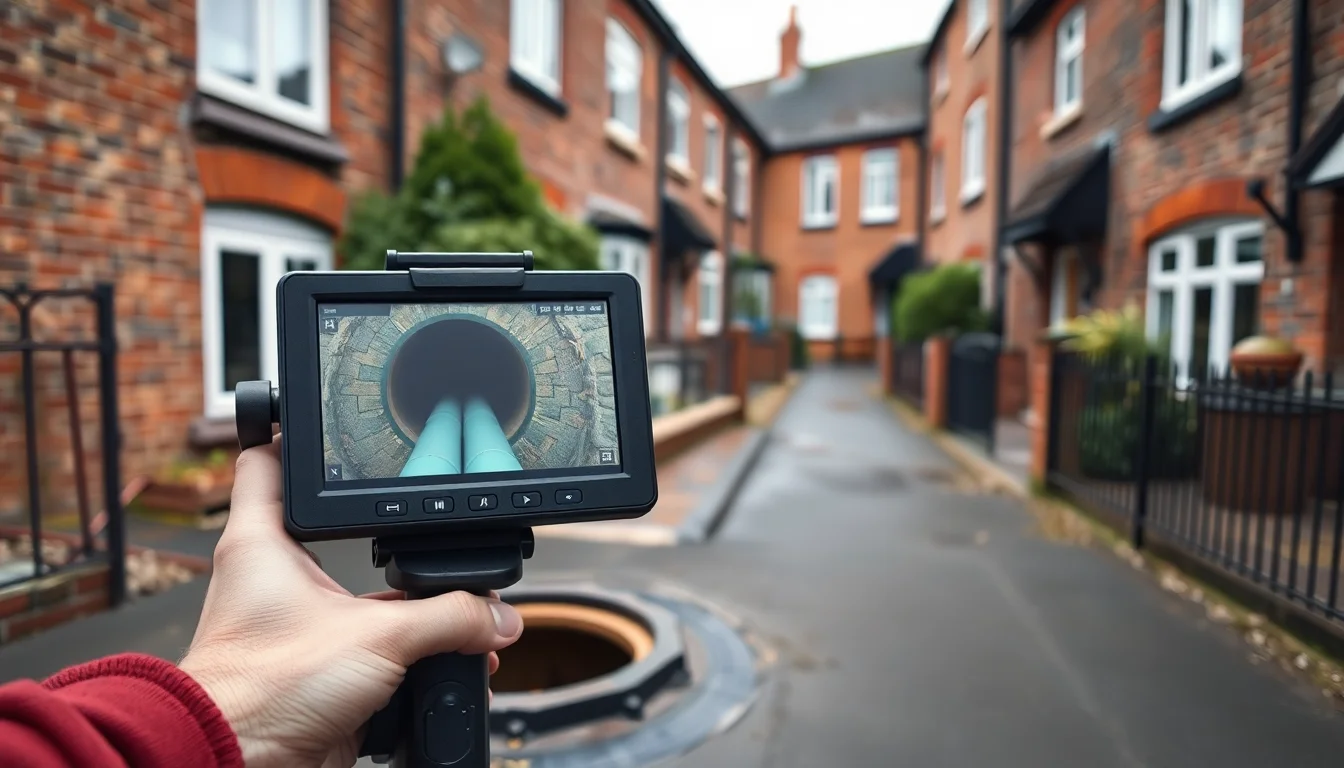
Here's the part that catches a lot of homeowners out: a soakaway that appears to have failed very often just has a blocked or root-choked feed pipe, with the actual chamber underground still perfectly sound. Before recommending any excavation or replacement, we always jet and CCTV-check the feed pipe first — clearing silt and root intrusion resolves a large proportion of reported soakaway failures without digging anything up.
Traditional pits vs modern crate systems
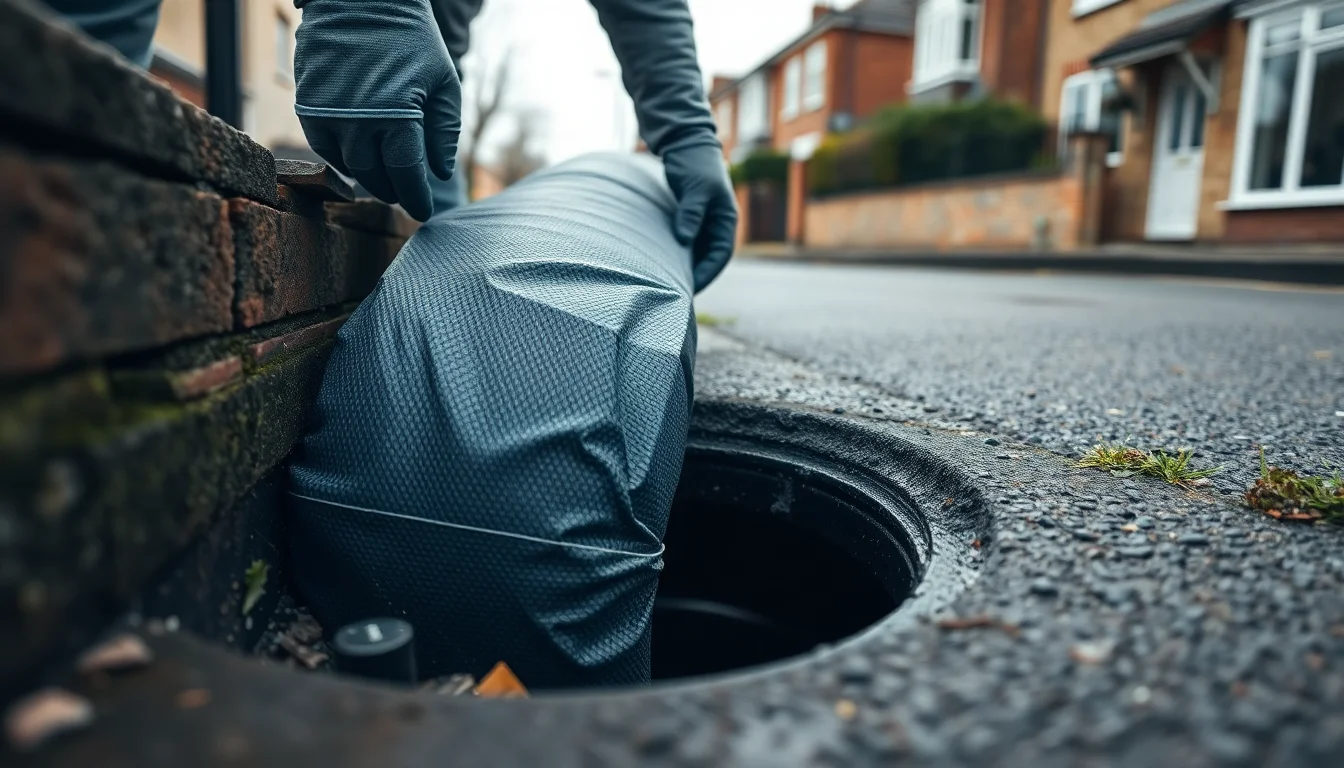
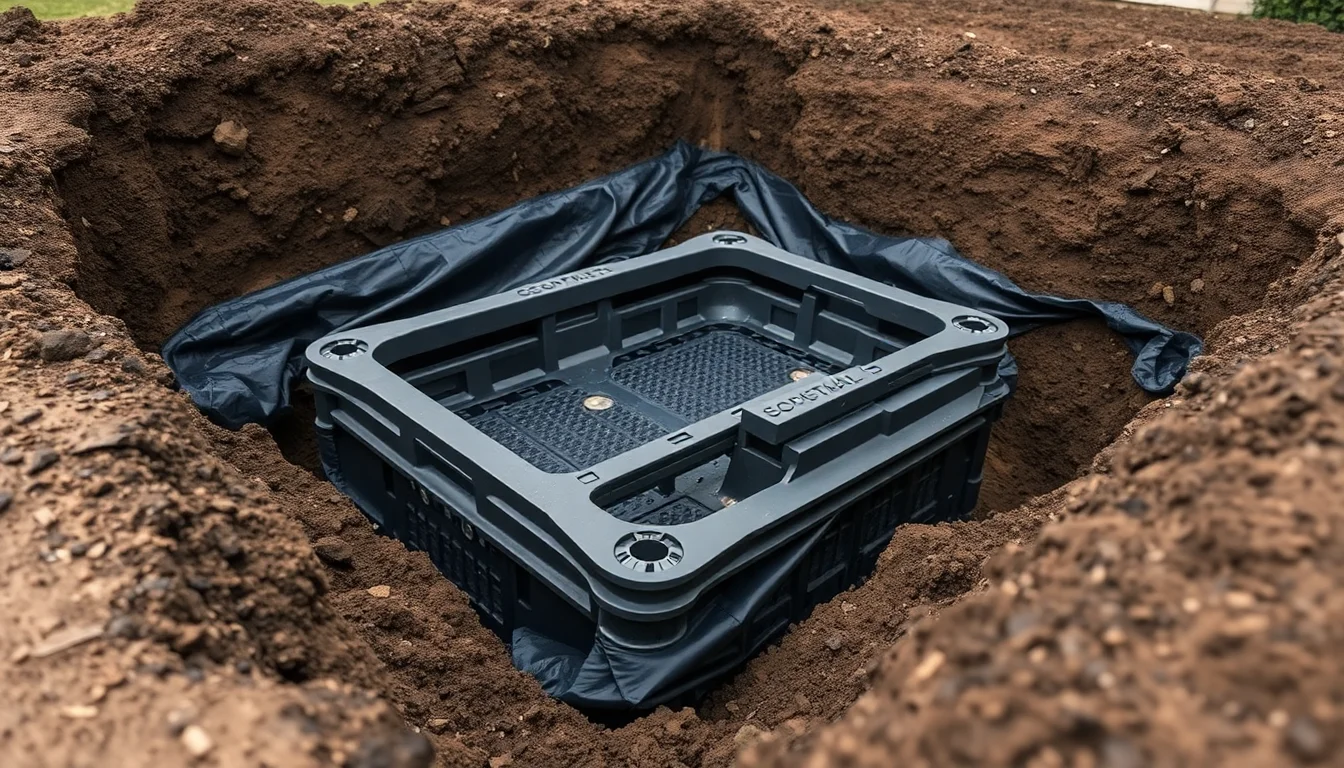
Where a soakaway genuinely does need replacing, older rubble-filled pits are the most common cause of complete failure, since the voids between the stones silt up over decades of use in a way modern systems are designed to resist. We typically replace failed soakaways with plastic crate or ring systems wrapped in a geotextile membrane, sized to current Sustainable Drainage Systems (SuDS) guidance for the property and its clay ground conditions — offering considerably more void capacity for the same excavation footprint.
Get your soakaway checked properly
If you're dealing with a waterlogged garden in Coventry, Nuneaton, Leamington Spa, or anywhere across our Warwickshire coverage area, don't jump straight to a costly full replacement. Request a fast fixed-price quote online and we'll check the feed pipe and the soakaway itself before recommending anything — and if you're also dealing with a related drainage issue, our blocked drains and CCTV drain survey services cover the rest of your system too.