TL;DR
Leamington Spa's drainage problems tend to come from three things acting together: pipework under the Regency and Victorian terraces that can be well over 150 years old, Keuper Marl clay soil that shifts with the seasons and stresses buried pipes, and the River Leam, which can push back-pressure into the sewer network during heavy rain. Soakaways across the town's newer estates are also prone to underperforming, because clay soil simply doesn't let water percolate away the way sandier ground does. If you're dealing with a blocked drain, a recurring damp patch, or a soakaway that never seems to clear, request a drain unblocking quote online and get an engineer who knows the town's drainage history, not just a generic call-out.
Why Leamington Spa's Drains Are Different
Royal Leamington Spa grew rapidly in the Regency era as a fashionable spa town, and much of its architectural character, the elegant terraces along the Parade, Lansdowne Crescent and Clarendon Avenue, dates from that period through to the early Victorian expansion. That means a meaningful chunk of the town's core drainage infrastructure is somewhere between 150 and 200 years old: stone and early clay pipe that was sophisticated for its time but was never built for modern washing machines, dishwashers and power showers.
The River Leam runs through the centre of town, past Jephson Gardens, Mill Gardens and Victoria Park, and it has a direct effect on drainage as well as the obvious flood risk. When the Leam rises during heavy rain, it exerts back-pressure on the connected drainage network, and Severn Trent Water's combined sewers in the town centre and Old Town can be overwhelmed, pushing water back up through gullies and, in the worst cases, into basements.
The ground itself doesn't help. Leamington sits on Keuper Marl, a classic Midlands clay that swells when wet and shrinks hard in dry weather, with Lower Lias clay outcropping in the countryside to the south-east. Closer to the river, alluvial deposits add further variability, meaning a single pipe run can pass through several different ground conditions and settle unevenly along its length.
Blocked Drains and Old Pipework: What to Look For
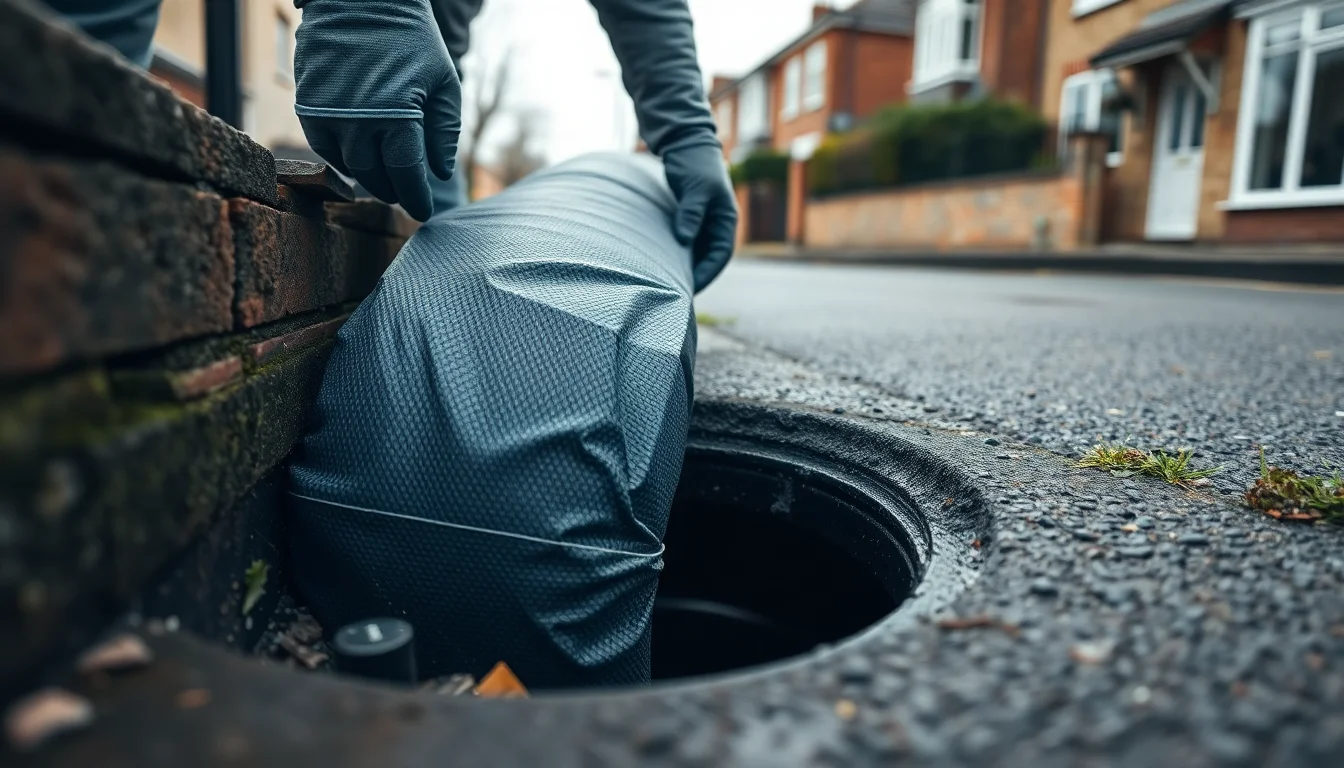
In a town with this much older pipework, the difference between "just needs rodding" and "needs a proper look" matters. Signs that point to something more than a simple blockage:
- A drain that clears with rodding but blocks again within a few weeks, every time
- Gurgling from more than one fixture at once, suggesting a shared run further along is restricted
- A manhole that surcharges (fills and overflows) during or after heavy rain, particularly in the Old Town or streets close to the Leam
- Damp or a musty smell in a basement or lower ground floor, common in Leamington's older terraces and villas
- Slow drainage that seems to track with the weather, worse after rain and easing off in dry spells
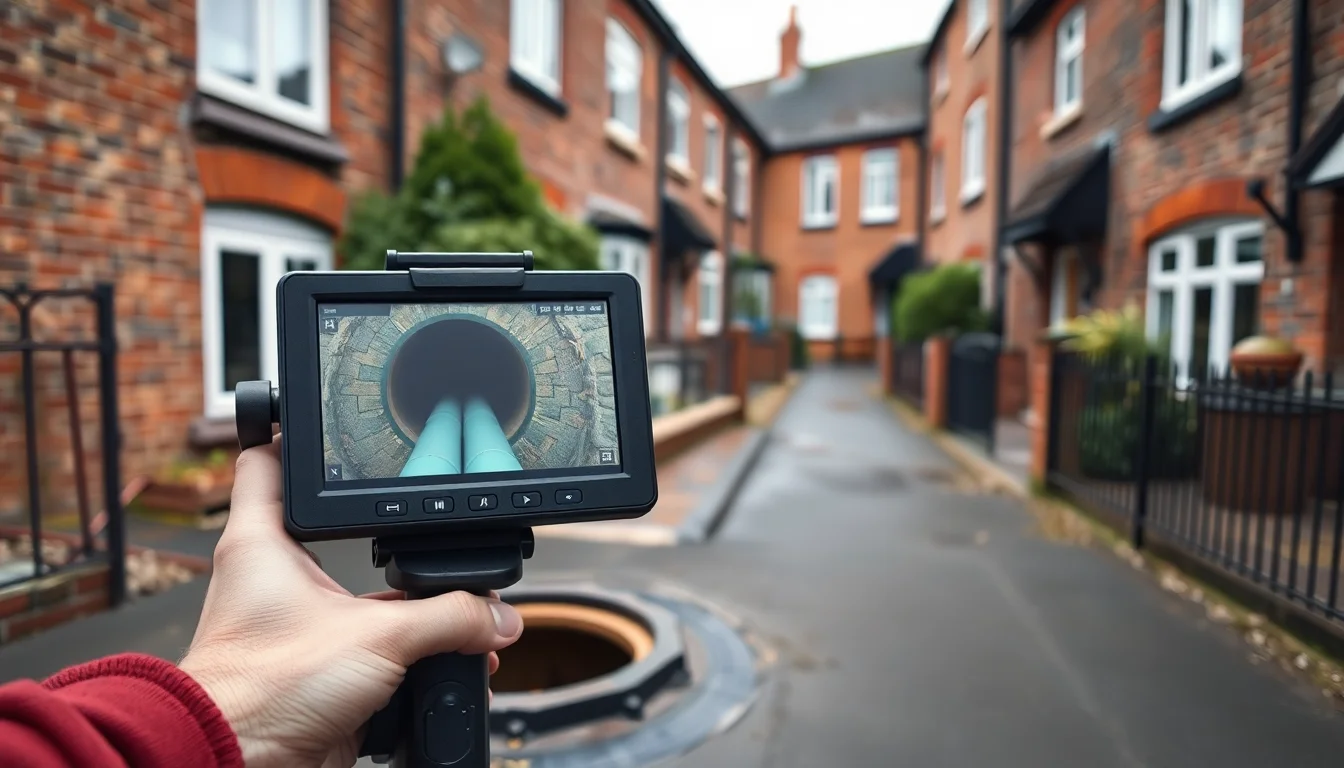
If any of these sound familiar, a drain unblocking visit is the right first step, and if the problem keeps recurring, pushing a camera through the run to see the actual pipe condition is the only way to stop guessing.
Listed Buildings and No-Dig Repairs
A lot of Leamington Spa's housing stock sits within a conservation area, and many individual properties are listed, particularly around the Parade, Lansdowne Crescent and the wider Regency core. That matters for drainage work because excavation around a listed building's garden or frontage isn't always straightforward. Planning and conservation considerations apply, and disturbing historic ground can be as much of a problem as the drainage fault itself. This is exactly the kind of situation where no-dig pipe relining earns its keep: a structural liner is cured in place inside the existing pipe, sealing joint failures and cracks without digging up a Regency garden or a listed frontage. If you own an older or listed property in Leamington, it's worth asking specifically about no-dig options before agreeing to any excavation.
Why Soakaways Struggle on Warwickshire Clay
Soakaways are meant to take surface water or, on some older or edge-of-town properties, treated wastewater from a septic system, and let it drain away gradually into the surrounding ground. That only works if the ground can actually absorb the water, and Leamington's Keuper Marl is one of the least permeable soils there are. A soakaway dug into heavy clay can fill up faster than it empties, especially after a wet spell, leaving standing water, a boggy patch of garden, or a surface-water drain that backs up every time it rains hard. Newer estates on the edges of town that rely on sustainable drainage features like soakaways and attenuation ponds need these systems properly maintained and periodically checked, because silting and clay saturation both reduce how well they work over time. Where a soakaway serves a septic tank or small sewage treatment plant, the Environment Agency's General Binding Rules set out how and where it must be sited and maintained, so it's worth checking your setup complies if you're on a property with a private drainage system. We've covered why soakaways fail on Warwickshire clay in more depth in a separate guide, if you want the full picture.
Getting Help With Leamington Spa Drainage
Whether it's a Regency terrace near the Parade with drainage older than the town's spa heyday, an Old Town property with decades of undocumented pipe modifications, or a newer estate where the soakaway just isn't coping, Leamington Spa's drainage needs local knowledge, not a one-size-fits-all fix. We also cover neighbouring Warwick, on the River Avon just next door, if your property or a family member's sits there instead. Visit our Leamington Spa page for the full range of services we offer in the town, or request a fixed-price drainage quote online and get a straight answer on what's actually wrong.