TL;DR
A rotten-egg smell from drains usually comes from built-up organic matter or a break in the drainage system, although dry traps are also common. Common causes include dried-out U-bends, grease build-up and cracked pipes. Finding out whether you have a simple blockage or a structural fault is the key to a lasting fix.
The role of water traps and U-bends
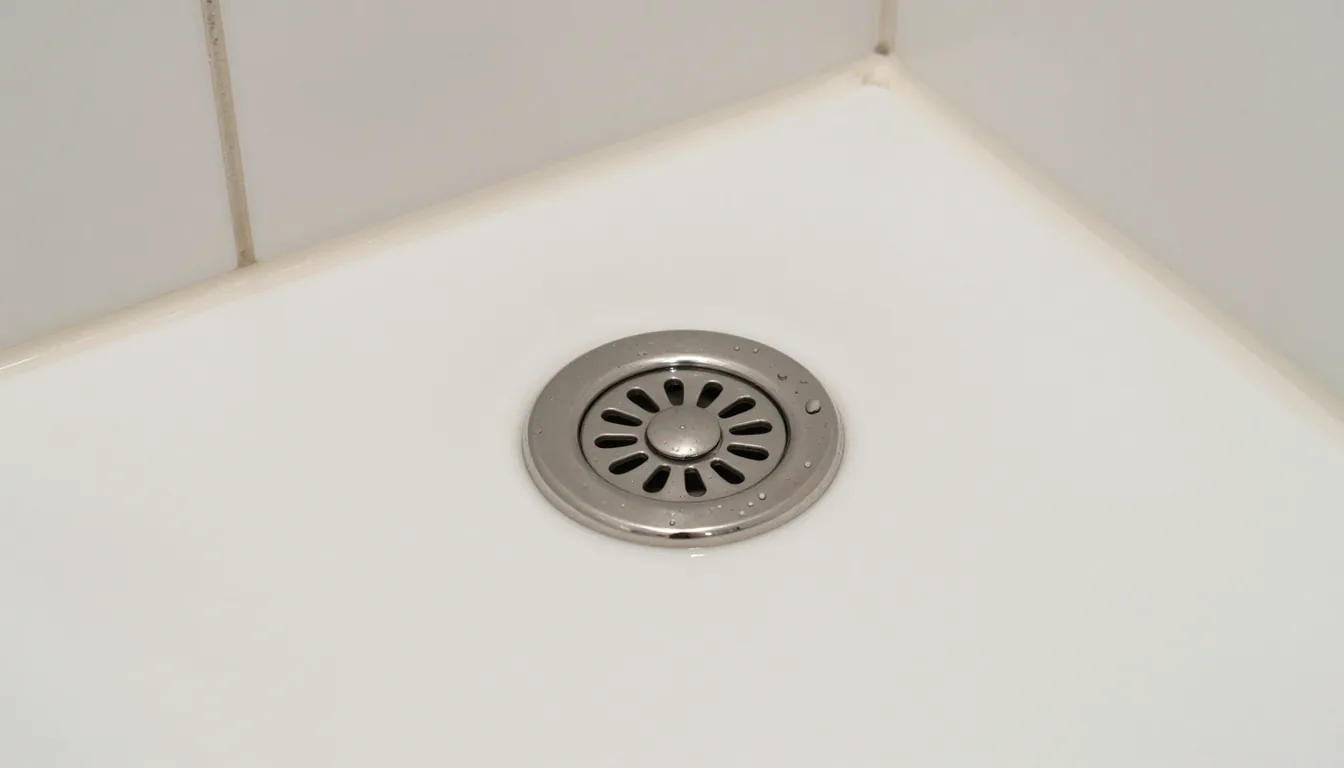
Every sink, shower and toilet has a U-bend, also called a trap. It holds a small amount of standing water, because that water seals the pipe. This seal stops foul sewer gases from entering your home. If a room goes unused for a long time, the water can evaporate.
Once the water drops, the seal breaks. As a result, gases rise into the room. This is a common cause of sudden smells in guest bathrooms and utility rooms. Running the tap for a short time usually refills the trap and restores the seal.
Sometimes, however, the smell comes from slime inside the trap. Organic matter settles in the bend and bacteria feed on it, which releases odours. Cleaning these fittings regularly helps stop the smell from starting.
Accumulation of organic matter and grease
Kitchen drains are often the source of bad smells because of what they carry. Fats, oils and grease are a particular problem in many Coventry homes. They are liquid when hot, but they set as they cool inside the pipe.
Over time the grease coats the pipe walls. It then traps food particles and other debris, while the mass slowly rots. This mass rots slowly and gives off a strong, rotten-egg smell.
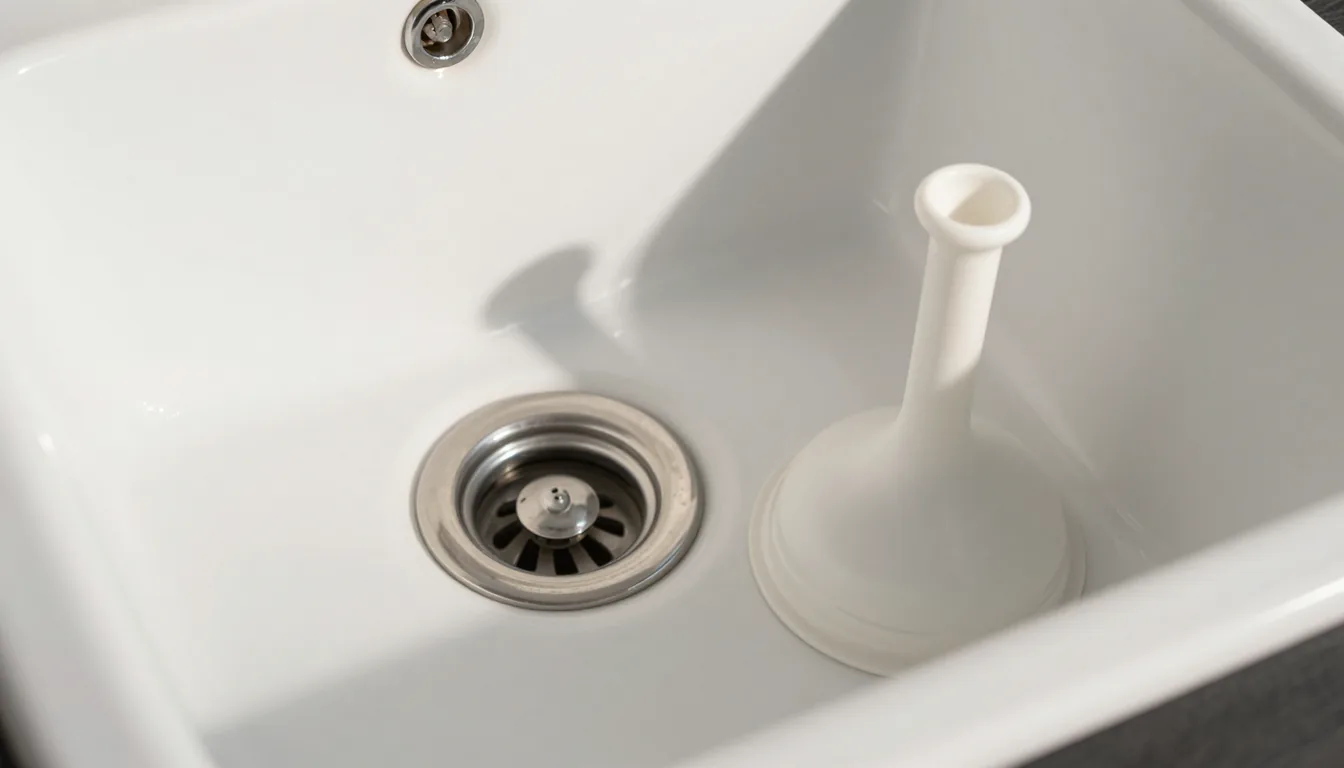
Typical causes of kitchen odours include: * Cooking oil poured down the sink. * Small food scraps washing through the strainer. * Soap scum and hair collecting in bathroom drains.
In time, these deposits can cause a partial blockage, and the water then flows more slowly, so gas is more likely to escape. Since this is gradual, the smell often creeps up. The water then flows more slowly, and gas is more likely to escape.
Structural issues and external factors
Sometimes the cause is a fault in the pipes instead of a blockage. A cracked or leaking pipe lets sewer gas escape into the soil or the building. It can be hard to spot because the leak may be underground or behind a wall.
In Warwickshire, clay soil is common, so the ground can move. This movement can put pressure on older pipes, so joints may pull apart or pipes may crack. If the smell seems to come from the garden or near an inspection chamber, a structural fault is possible.
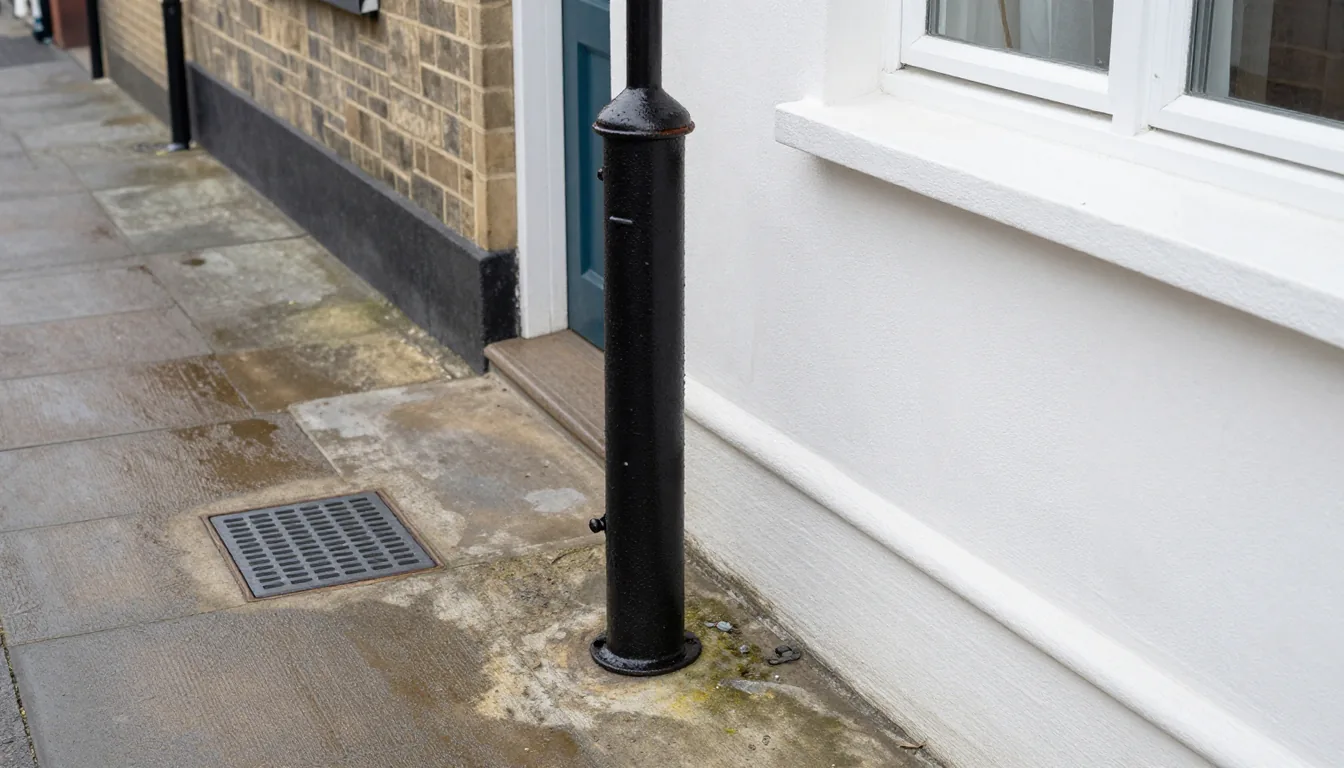
Vent pipes and inspection chambers also matter. If debris or a bird's nest blocks a vent pipe, the air pressure in the system changes. As a result, the water seals in your traps can break, and drain smells enter the room.
Distinguishing indoor and outdoor smells
First, work out whether the smell starts inside or outside your property, since that narrows the cause. An indoor smell is usually local to one sink, toilet or shower. It often points to a dry trap, a local blockage or a minor leak in a branch pipe.
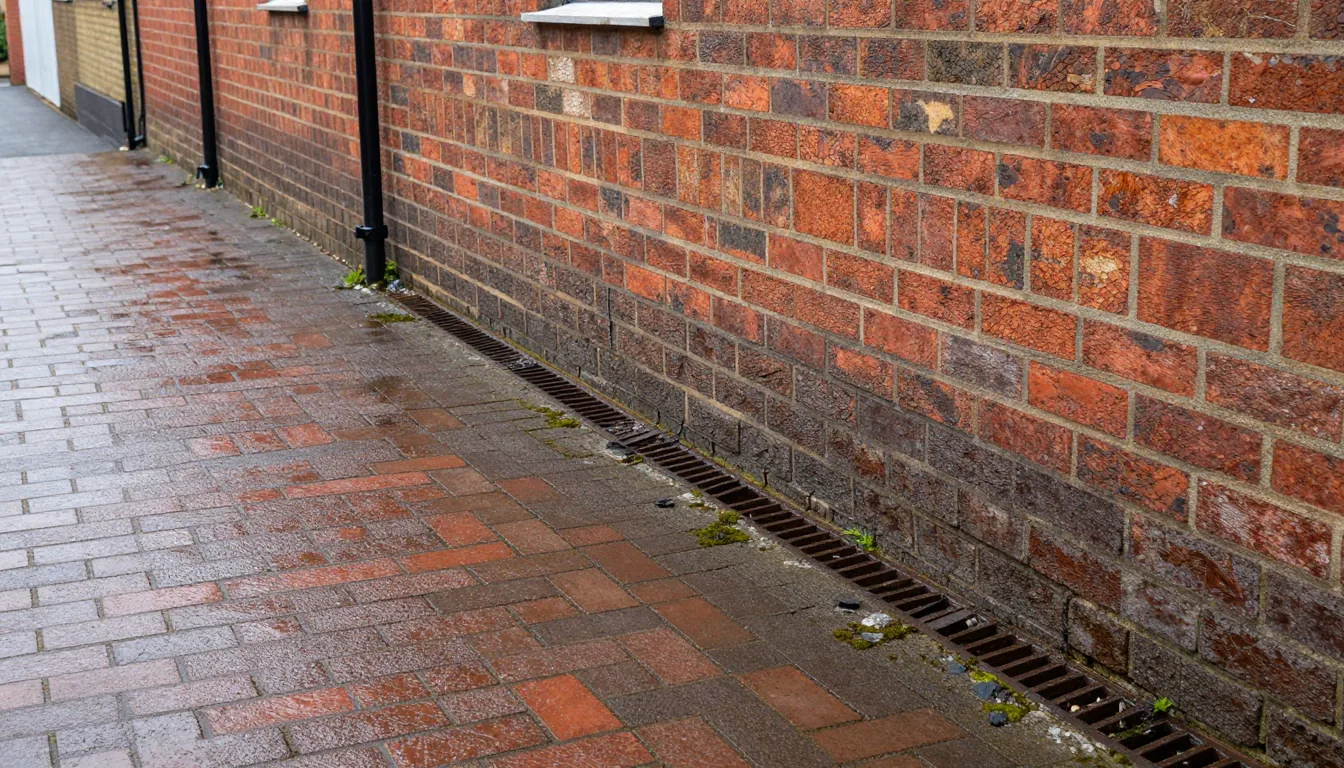
An outdoor smell is often stronger near manholes or inspection chambers. The cause could be a private drain, a shared sewer or the public sewer network. It is worth finding out which, because that decides who to call. The local water company, Severn Trent Water, may be responsible for the public network outside.
If the smell continues after you clean the traps and check for blockages, a closer look is still needed. A CCTV survey lets a specialist see inside the pipes and find the exact fault. It also avoids unnecessary digging.
**A safety note on gas smells:** gas can sometimes be mistaken for sewage. If you smell gas, do not ignore it. Treat it as a gas emergency and contact the national gas emergency service straight away.
Getting a straight answer for your property
If a smell stays after your best efforts, check the condition of your drains, because a hidden fault is possible. An inspection can show whether you have a simple blockage or a fault. You can find out about cracked or leaking drain repair options for your own property.
If a camera inspection finds a serious fault, you may then want to book a CCTV drain survey to confirm the extent of the damage. If you would like help, you can request a quote through our online form.
Frequently Asked Questions
**Why does my drain smell like sewage or rotten eggs?** The rotten-egg smell is usually hydrogen sulphide gas. It forms when organic matter, such as food scraps or grease, rots in the pipes. It can also escape if a U-bend has dried out or a crack lets gas leak.
**Why do my drains smell when it rains or in hot weather?** In hot weather, warmth speeds up the rotting process, so smells get stronger. In heavy rain, more water in the sewer can push gas back up through your drains. This is more likely if the ventilation is not working well.
**How does a CCTV drain survey help find a smell?** A CCTV survey sends a waterproof camera along the pipe on a long cable. You see a live video of the inside. This shows where a blockage sits and whether there are cracks, collapses or roots.
Local drain help
Need a hand with this? Our blocked drains team covers Coventry and surrounding areas. Send your details online, and we will plan the visit with you.
Because every area has its own drains, local detail matters. For example, see our pages on drainage work in Nuneaton and local drain engineers in Rugby.
If you already know the job, these pages go further. First, read about problem diagnosis in Coventry, then sink unblocking in Warwickshire, then business drain jetting in the Coventry area, then sewage backup in Warwickshire, and finally excavation and replacement in Coventry.
You may also find these guides useful, because they cover related problems.