TL;DR
The best home methods are a plunger, a hand rod or cleaning out the U-bend trap, because they work on the blockage directly. Very hot tap water is safer than boiling water for plastic pipes, but it will not reliably clear grease. Harsh chemical cleaners can cause damage, so avoid them. If simple methods fail, the blockage is probably deeper in the system.
The effectiveness of manual tools
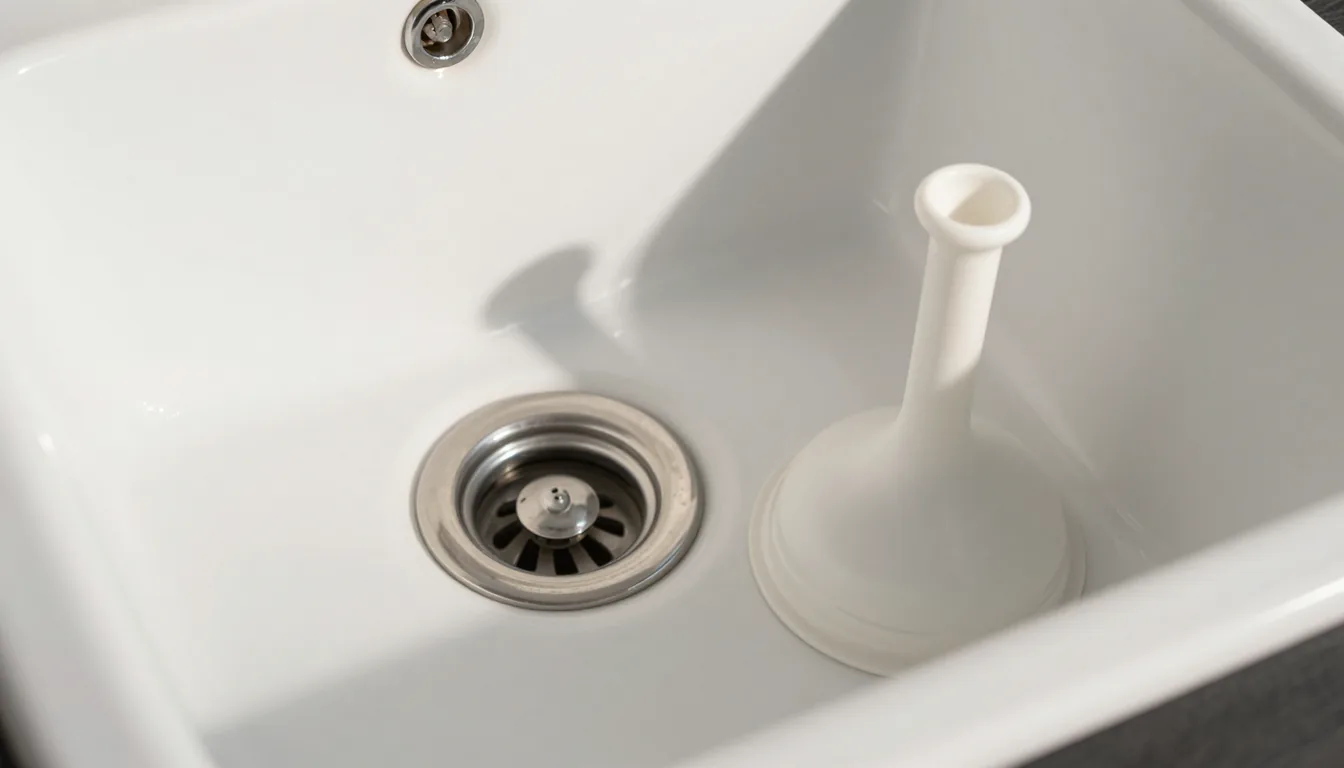
When a sink or toilet runs slowly, a plunger is the best first step, since it needs no special skill. It works by using pressure to push the blockage loose. First, place the plunger flat over the drain so it forms a tight seal. Then pump it up and down, and repeat if needed.
If the plunger fails, a hand drain rod is the next step. You push the rod into the pipe to break up the debris. It reaches further than a plunger can. However, push gently, because you can easily shove the blockage deeper.
Sometimes the problem is not in the main pipes at all, yet people often start there. The sink trap, also called the U-bend or P-trap, often holds hair, soap scum and food. Taking it apart lets you clear it by hand. This is often the quickest fix for a bathroom or kitchen sink.
When heat and water might help
Very hot tap water can loosen light grease near the plughole. However, it may only carry the fat further along the pipe. There it cools and sets hard again. Fats and oils build a sticky layer that catches other debris, so put cooled cooking fat in the bin instead.
Be careful with boiling water, because extreme heat can damage plastic pipes and fittings. It is safer to use very hot water from the tap than water straight from the kettle.
A little washing-up liquid in warm water can also help. It lubricates the pipe, so a plunger has more chance of moving a stubborn blockage. This method is gentle and carries little risk to your plumbing.
What to avoid to protect your pipes
Many people reach for strong chemical cleaners first. Although they are sold as quick fixes, they often fail to clear a full blockage. They can also harm your skin and eyes, so use them only as the label directs.
There are other risks too, however. Some products are not suitable for every type of pipe, so check the label first. If the cleaner does not work, you are left with a sink full of strong liquid. That liquid is hazardous to anyone who works on the drain later, so tell them what you used.
Also avoid sharp, rigid objects such as metal coat hangers, because they can scratch the inside of a pipe or even puncture it. A punctured pipe needs far more work than a simple unblocking job.
Identifying a professional blockage
Some problems are beyond DIY tools, however simple they first look. If several drains in the house run slowly at the same time, a single clog is unlikely. Instead, the cause is probably a shared blockage in the main soil pipe or the outside drains.
The problem may also be outside. In many parts of Coventry and Warwickshire, clay soil can shift over time. As a result, pipes may sag or crack, and then blockages keep coming back. No amount of plunging will fix that.
Common signs that you need professional help include: * Water backing up in more than one room or floor. * Persistent bad smells coming from drains. * Gurgling sounds from toilets when other taps are on. * Water pooling around the base of appliances. * Slow drainage that continues after using a plunger.
Getting a straight answer for your property
If you have tried the basics and the water still will not clear, it is time to call in a specialist. Professional equipment reaches much further than hand rods. If you are unsure whether the problem is inside or outside, read our guide on unblocking an outside drain for more context.
We offer drainage services for homes across Coventry and Warwickshire, while a drain camera helps show the cause. A drain camera can help show the cause of the blockage. If you would like help, you can request a quote through our online form.
Frequently Asked Questions
**How do I unblock a drain without a plunger or rods?** You can take out the U-bend trap under the sink and clear the hair or debris by hand. You can also try very hot tap water with a little washing-up liquid, although grease can set again further down the pipe. If neither works, the blockage is probably too deep for home tools.
**Why does my drain keep clogging?** Repeat blockages often point to a deeper problem. For example, a slight sag in the pipe or tree roots entering through a small crack can both cause them. In some areas, heavy clay soil can also affect how pipes settle over time.
**Can I pour boiling water down the drain?** It is best to avoid it. Water straight from a kettle can damage plastic pipes and the seals on fittings. Very hot water from the tap is a safer choice.
Local drain help
Need a hand with this? Our blocked drains team covers Coventry and surrounding areas. Send your details online, and we will plan the visit with you.
Because every area has its own drains, local detail matters. For example, see our pages on drainage work in Rugby and local drain engineers in Leamington Spa.
If you already know the job, these pages go further. First, read about bath and shower unblocking in the Coventry area, then sink unblocking in Warwickshire, then home drain jetting in Warwickshire, then business drain jetting in the Coventry area, and finally sewage backup in Warwickshire.
You may also find these guides useful, because they cover related problems.